La Herradura Bay
This tranquil bay, with its placid waters, holds a whispered secret from centuries past.
Full story unlocks in the tour
 NATALY BERNAL REQUENA / CC BY-SA 3.0, via Wikimedia Commons
“Where the Pacific embraces pirate lore and a thriving port city.”
Not the postcards. The stories even locals don't know — whispered in your ear, right where they happened.
This tranquil bay, with its placid waters, holds a whispered secret from centuries past.
The distinctive wooden architecture here narrates a story not typically associated with Spanish colonial towns.
Behind the city lights, the power source reveals a surprisingly green tale.
Discover every secret of Coquimbo
Every address, every reveal in full — in your ear, right where it happened.
You pick your stops. You walk. The voice reveals what the others miss.
No tours available yet. Check back soon — we're preparing them.
Coquimbo, a dynamic port city in northern Chile, offers a compelling blend of maritime history, coastal splendor, and a lively urban atmosphere. Situated on a triangular peninsula, it forms a conurbation with its more historically recognized neighbor, La Serena, yet maintains its own distinct character. The city's identity is deeply intertwined with the Pacific Ocean, providing a natural harbor that has shaped its development from indigenous settlement to a bustling industrial and shipping center.
Travelers to Coquimbo will discover a city that embraces its past while looking towards the future. From the echoes of pirate legends to the modern marvel of renewable energy, Coquimbo presents a unique Chilean experience. Its mild, semi-arid climate, influenced by the cold Humboldt Current, ensures pleasant temperatures year-round, making it an inviting destination for those seeking a mix of adventure, culture, and relaxation.
The history of Coquimbo traces back to pre-Columbian times when indigenous communities, such as the Chango and Diaguita peoples, inhabited the area, utilizing its natural harbor for fishing and settlement. The name "Coquimbo" itself is believed to stem from an indigenous word, possibly "Coquimpu," meaning "place of calm waters" or "abode of silver."
Spanish conquistadors, including Pedro de Valdivia, recognized the strategic importance of the bay, with Valdivia taking possession of the natural harbor in 1550. From 1544, the Bay of Coquimbo served as the official maritime harbor for the newly founded city of La Serena. The mid-16th century saw the port mentioned in Spanish chronicles, though Coquimbo itself would not gain independent administrative status until much later.
The bay's sheltered waters also attracted a different kind of visitor: privateers and pirates. English navigator Sir Francis Drake entered the bay in 1578, reportedly naming it "La Herradura" (The Horseshoe) due to its shape. Other notorious figures like Bartholomew Sharp and Edward Davis also made landings in the 1680s, contributing to the region's rich maritime legends.
The 19th century marked a significant turning point for Coquimbo with the discovery of abundant copper and gold deposits in the surrounding region. This mining boom transformed the port into a vital center for metal exports and fueled an influx of European immigrants, particularly from England, America, and France. This multicultural influence is still visible today, especially in the English Quarter, with its distinctive wooden architecture. The construction of a railway in 1862 further solidified Coquimbo's role as a key logistical hub, connecting the mines to the sea.
Coquimbo was officially recognized as a town in 1867 and granted city status in 1879. As the city grew, it also faced natural disasters. A devastating 8.5 magnitude earthquake and subsequent tsunami struck in 1922, causing widespread destruction. More recently, a powerful 8.3 magnitude earthquake and tsunami in 2015 also caused significant damage to coastal infrastructure.
Despite these challenges, Coquimbo has continued to develop, becoming a rapidly growing industrial and shipping center. Today, it's also emerging as a tourist destination, known for its beaches, historical sites, and as a gateway to the Elqui Valley.
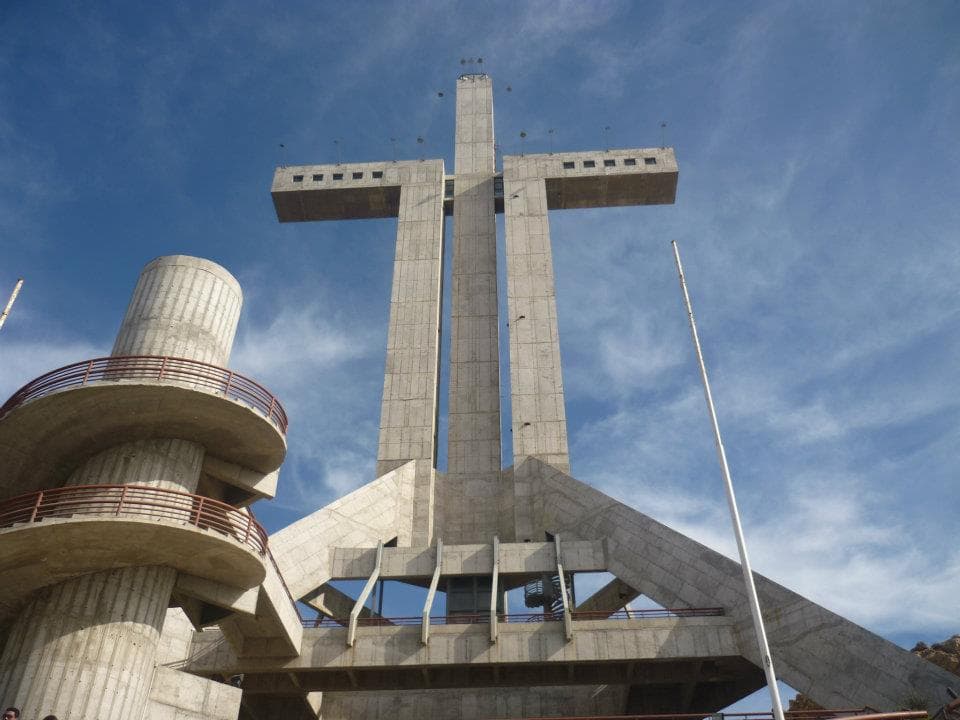
Begin your exploration at the Third Millennium Cross (Cruz del Tercer Milenio), a monumental concrete cross offering expansive views of Coquimbo and La Serena from its observation deck. Wander through the Barrio Inglés (English Quarter), where 19th-century wooden architecture reflects the city's European immigrant past. This area is also known for its restaurants, pubs, and cultural centers. For a glimpse into the city's defensive history, visit the restored Fuerte Coquimbo (Coquimbo Fort), which once protected the bay from privateers.
Coquimbo's coastline offers several appealing beaches. La Herradura Bay is recognized for its calm waters, ideal for swimming and water sports. The expansive Coquimbo Beach features a well-maintained promenade, perfect for a stroll or bike ride. Consider a day trip to the Humboldt Penguin National Reserve, comprised of Chañaral, Damas, and Choros islands, where you can spot Humboldt penguins, sea lions, and even whales between October and April. The nearby Elqui Valley is a draw for its vineyards, pisco production, and exceptionally clear skies, making it a prime location for stargazing.
The optimal time to visit Coquimbo is during the Southern Hemisphere's spring and summer, from October to March. During these months, the weather is warm and pleasant, with average daily high temperatures ranging from 66°F to 68°F (19°C to 20°C), ideal for enjoying beaches and outdoor activities. Coquimbo experiences a mild semi-arid climate with low precipitation, so sunny days are frequent. The warmest water temperatures are typically in February, averaging 64°F (18°C).
The official currency in Coquimbo, and throughout Chile, is the Chilean Peso (CLP). While some larger establishments may accept US dollars, it's advisable to use local currency for most purchases. ATMs are widely available in the city center and shopping malls for withdrawing pesos, and major credit cards like Visa and MasterCard are generally accepted in hotels, restaurants, and shops. When using an ATM, opt to be charged in Chilean pesos for a more favorable exchange rate.
Navigating Coquimbo is feasible via public transportation, including local buses and colectivos (shared taxis). Buses frequently connect Coquimbo with neighboring La Serena, a journey of about 10-20 minutes. Taxis and ride-sharing services like Uber are also available. While generally considered safe for tourists, it's wise to remain aware of your surroundings, especially at night in unfamiliar areas, and to keep an eye on personal belongings.