Welschdörfli district
Beneath the modern streets of Chur's Welschdörfli district lies a Roman secret, revealing more than just foundations.
Full story unlocks in the tour
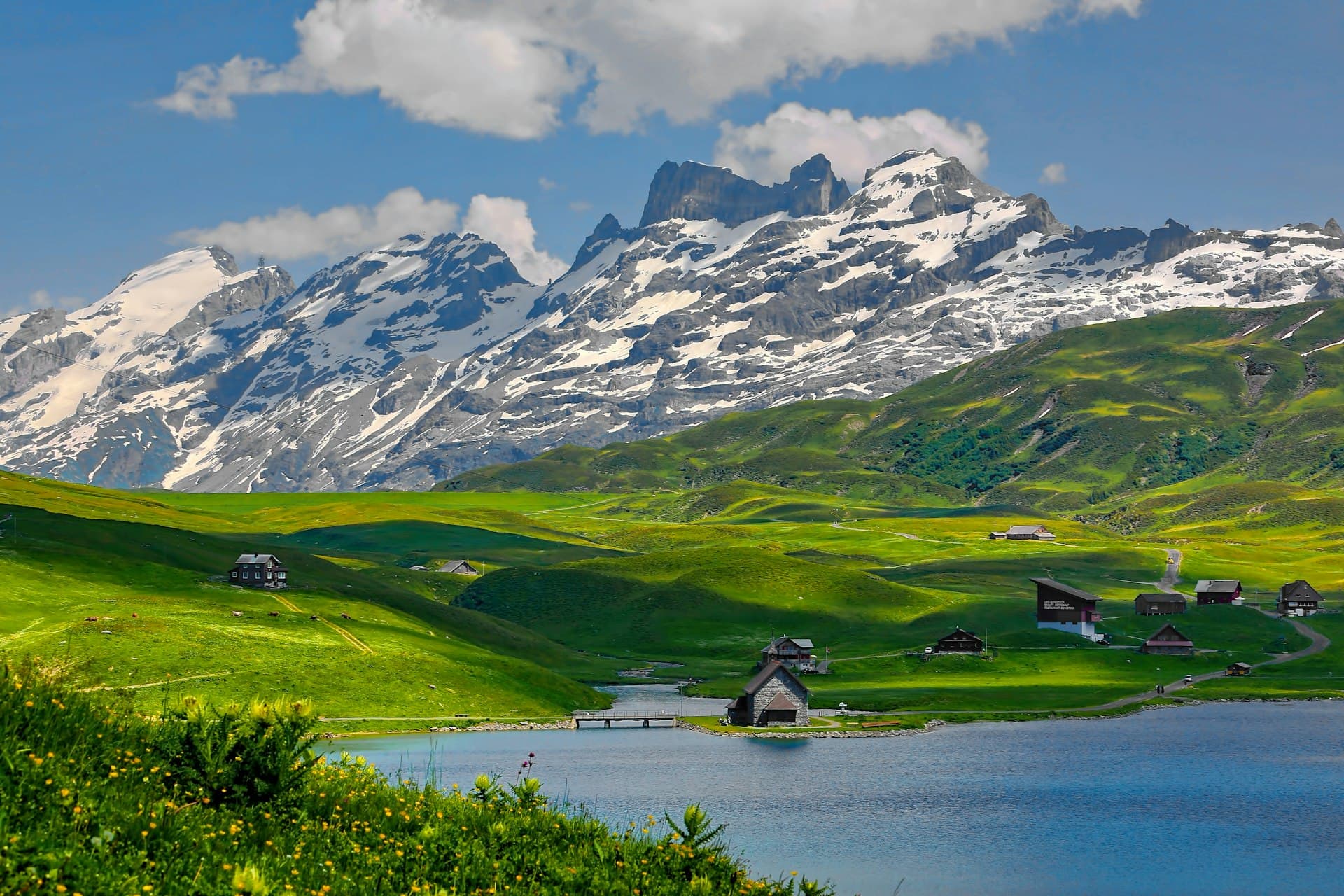 Photo: Ricardo Gomez Angel / Unsplash
“Where ancient pathways meet alpine grandeur.”
Not the postcards. The stories even locals don't know — whispered in your ear, right where they happened.
Beneath the modern streets of Chur's Welschdörfli district lies a Roman secret, revealing more than just foundations.
The imposing Chur Cathedral holds a surprising claim about a royal figure from a distant land.
This prominent Gothic church in Chur's Old Town has a connection to a pivotal figure in European religious history.
Discover every secret of Coire
Every address, every reveal in full — in your ear, right where it happened.
You pick your stops. You walk. The voice reveals what the others miss.
No tours available yet. Check back soon — we're preparing them.
Chur, the capital of Switzerland's largest canton, Graubünden, is often referred to as the oldest city in Switzerland, with a continuous settlement history spanning over 5,000 years. This alpine city, situated in the Rhine Valley, offers a compelling blend of ancient history and contemporary Swiss life. Its car-free Old Town invites leisurely exploration, revealing layers of human habitation from the Stone Age through Roman times and into the medieval era.
Beyond its historical core, Chur serves as a gateway to the grand Swiss Alps. It's a key hub for scenic train journeys like the Bernina Express and Glacier Express, offering expansive views of the surrounding mountains and valleys. The city itself, with its lively cultural scene, numerous fountains, and traditional Swiss chalet-style buildings, provides a tranquil yet engaging experience for visitors seeking both historical depth and natural beauty.
## From Prehistoric Settlement to Roman Hub Chur's history stretches back an astonishing 13,000 years, with archaeological evidence of Paleolithic hunter-gatherers in the area. Permanent settlements emerged during the Bronze and Iron Ages, from approximately 2200-15 BC. Around 15 BC, the Romans conquered the region, establishing an administrative and military outpost known as Curia Raetorum. This Latin name, meaning "fortress/court of the Rhaetians," is the root of the city's modern name. Under Emperor Diocletian in the late 3rd century AD, Curia Raetorum became the capital of the newly established province of Raetia Prima.
## Medieval Bishopric and Guild Town By 451 AD, Chur was recognized as a bishop's town, becoming the seat of the first Christian bishopric north of the Alps. The bishops of Chur gained significant temporal power, even becoming princes of the Holy Roman Empire in 1170. The city's Cathedral of the Assumption, with foundations over 1,000 years old, stands as a testament to this enduring religious influence. In 1367, Chur became the center of the Gotteshausbund (League of the House of God), formed to counter the power of the prince-bishops and the Habsburgs. A major fire in 1464 destroyed most of the town, leading to its rebuilding and a shift in governance to five newly formed guilds of craftsmen.
## Reformation and Cantonal Capital The Reformation reached Chur between 1523 and 1527, influencing the city's religious character. In 1803, after a brief period in the Helvetic Republic, Graubünden joined the Swiss Confederation, with Chur becoming its capital. Today, Chur remains the administrative heart of Graubünden, home to the cantonal government and various cultural institutions. The canton itself is officially trilingual, with German, Italian, and Romansh spoken, reflecting its diverse heritage.
Chur's car-free Old Town is a primary draw, characterized by winding pathways, medieval buildings, and lively squares. Red signposts guide visitors to key landmarks. The Cathedral of Saint Mary of the Assumption (Kathedrale St. Mariä Himmelfahrt), a blend of Romanesque and Gothic architecture, dates back over a thousand years and is a significant religious and architectural site. Nearby, the Bishop's Palace (Bischöfliches Schloss) further highlights the city's historical religious importance.
Another prominent landmark is St. Martin's Church (Martinskirche), the largest late Gothic complex in Graubünden, notable for its spire and stained-glass windows by Augusto Giacometti. For a deeper dive into the region's past, the Rhaetian Museum (Rätisches Museum) offers a comprehensive collection of artifacts spanning Graubünden's cultural history. Art enthusiasts can explore the Bündner Kunstmuseum (Graubünden Art Museum), which features a collection with international appeal.
Beyond the historical buildings, Chur's Old Town also offers numerous boutiques, cafes, restaurants, and bars. Keep an eye out for the city's street art, including large murals and smaller installations. For sweeping views of the city and surrounding Alps, take the gondola up to Brambrüesch, Chur's local mountain.
Chur offers distinct experiences throughout the year. Spring (March-May) brings mild weather and blooming flowers, ideal for exploring the city's natural beauty without large crowds. Early April is considered a 'shoulder season' with fewer visitors. Summer (June-August) is peak season, offering warm weather for outdoor activities, events, and festivals like the annual Churer Fest. Autumn (September-November) provides cooler weather and vivid fall foliage, also with fewer crowds. Winter (December-February) transforms Chur into a magical landscape, perfect for winter sports in the surrounding mountains and visiting the Chur Christkindlmarket.
Chur is easily accessible, with frequent train services from major Swiss cities like Zurich (approximately 1 hour and 15 minutes away). The city's historic Old Town is entirely car-free and highly walkable, making it ideal for on-foot exploration. Public transportation, including buses and trains, is available for longer distances or exploring surrounding areas. If traveling by car, note that parking in the city center can be difficult and expensive.
The local currency is the Swiss Franc (CHF). ATMs are readily available, and while credit cards are widely accepted for larger purchases, it's advisable to carry some cash for smaller transactions. Switzerland is known for its high cost of living, so budgeting for meals is important; many restaurant bills include service, so additional tipping is not always necessary. Chur has a tourist information center at Bahnhofstrasse 32, near the main entrance of the Manor department store, offering maps and local tips.