Gare Maritime Transatlantique
Cherbourg's grand ocean liner terminal saw more than just passengers embark on journeys across the Atlantic.
Full story unlocks in the tour
 fr:Utilisateur:Steff / CC BY-SA 3.0, via Wikimedia Commons
“Where history's grand departures linger in the sea air.”
Not the postcards. The stories even locals don't know — whispered in your ear, right where they happened.
Cherbourg's grand ocean liner terminal saw more than just passengers embark on journeys across the Atlantic.
Elevated above the city, a former German command post holds a surprising secret about its wartime surrender.
Amidst exotic plants in a public park, a 19th-century mayor left behind a peculiar scientific legacy.
Discover every secret of Cherbourg
Every address, every reveal in full — in your ear, right where it happened.
You pick your stops. You walk. The voice reveals what the others miss.
No tours available yet. Check back soon — we're preparing them.
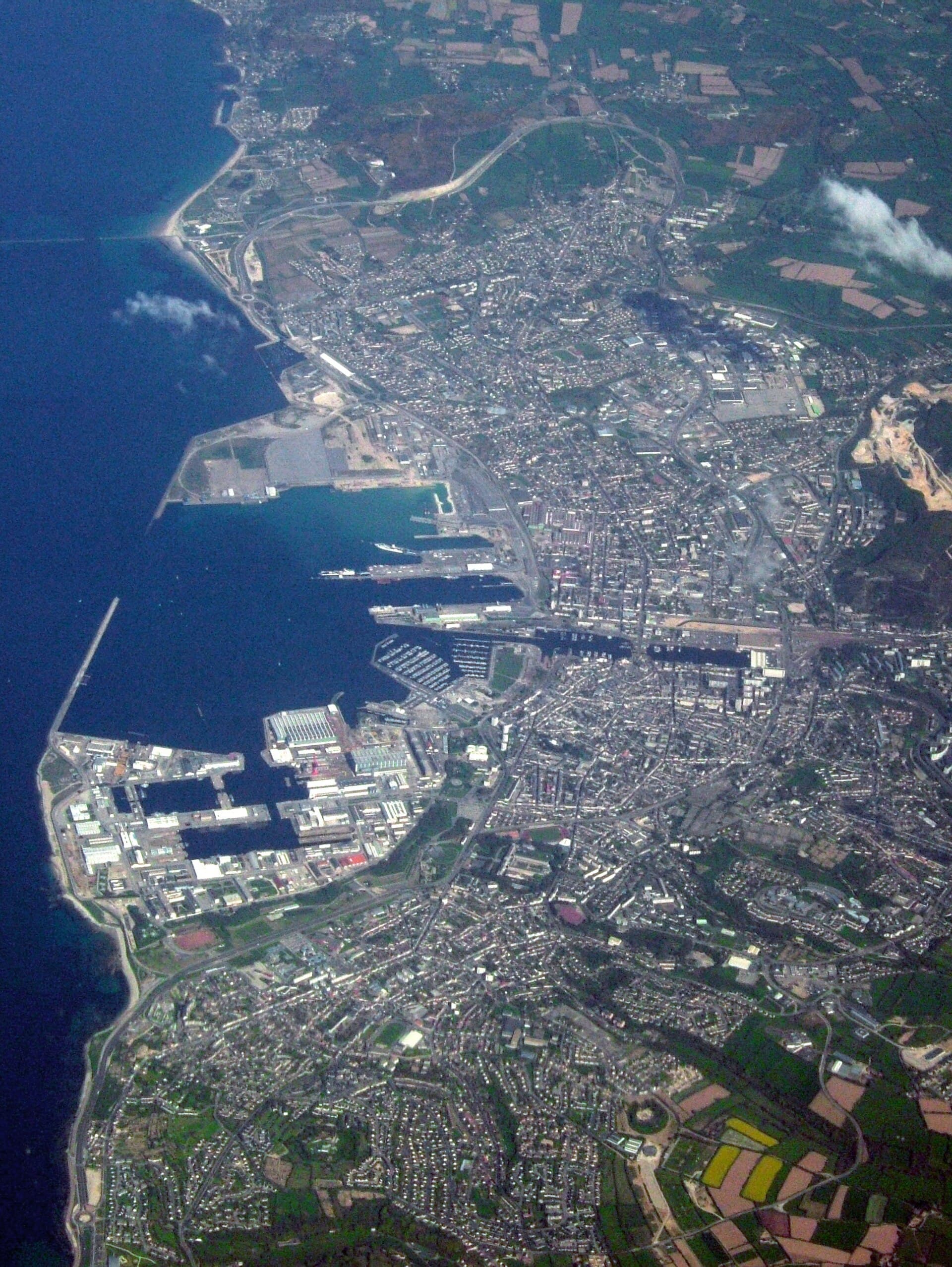
Cherbourg-en-Cotentin, a port city on the Normandy coast, is a place where maritime history is etched into the very fabric of the city. For centuries, its deep-water harbor has been a strategic asset, drawing navies, explorers, and grand ocean liners. This enduring connection to the sea has shaped its character, from the formidable breakwater that protects its harbor to the grand transatlantic terminal that once welcomed the world's elite.
The city's atmosphere is one of quiet resilience, a testament to its pivotal role in historical events, particularly during World War II. Yet, beyond its military and maritime significance, Cherbourg offers a charming blend of Belle Époque architecture, verdant gardens, and a lively cultural scene. It's a city that invites closer inspection, revealing layers of stories for those willing to look beyond the surface.
## From Roman Port to Royal Ambition Cherbourg's strategic location at the northern tip of the Cotentin Peninsula has made it a coveted port for millennia. Evidence suggests Roman occupation, and later, the Normans utilized its natural harbor. However, it was the ambition of French monarchs that truly transformed Cherbourg. Louis XVI, recognizing its potential as a naval base to rival English power, initiated the construction of a massive artificial harbor and fortifications in the late 18th century. This monumental undertaking, continued by Napoleon, involved sinking hundreds of cones filled with masonry to create the formidable digue (breakwater) that still protects the port today.
## The Golden Age of Transatlantic Travel The 19th and early 20th centuries marked Cherbourg's golden age as a transatlantic hub. Its deep-water port allowed the largest ocean liners, including the Titanic, to make a final European stop before their Atlantic crossing. The magnificent Gare Maritime Transatlantique, inaugurated in 1933, stands as a testament to this era, a grand Art Deco masterpiece designed to impress and facilitate the flow of thousands of passengers. This period brought prosperity and a cosmopolitan air to the city, connecting it directly to New York and other major world ports.
## World War II and Liberation The strategic importance of Cherbourg made it a primary objective for Allied forces during World War II. Following the D-Day landings in June 1944, the Battle of Cherbourg raged for several weeks. The city's capture was crucial for the Allies to secure a deep-water port to supply their advancing armies. Despite heavy bombardment and fierce German resistance, American forces liberated Cherbourg on June 26, 1944. The port, though heavily damaged, was quickly repaired and became vital for the flow of supplies and troops to the Western Front.
Begin at the Cité de la Mer, an impressive museum housed in the former Gare Maritime Transatlantique. Explore the deep-sea submarine Le Redoutable and exhibitions on ocean exploration and the Titanic. Afterwards, journey to Fort du Roule, home to the Musée de la Libération, for expansive views of the harbor and insights into Cherbourg's wartime history. Wander through the Parc Emmanuel Liais, a botanical garden with exotic plants and a natural history museum. Do not overlook the Basilique Sainte-Trinité, a Gothic church with a compelling history. Stroll along the quays of the Port de Plaisance, observing the yachts and fishing boats, and explore the pedestrianized Rue du Commerce for local shops and cafes. Consider a walk along the Digue du Port, the massive breakwater, for a singular perspective on the harbor and the English Channel.
The most pleasant time to visit Cherbourg is from late spring to early autumn (May to September). The weather is generally milder and more conducive to exploring outdoors. July and August offer the warmest temperatures and a lively atmosphere, though these months are also the busiest. Spring and early autumn provide a more tranquil experience with pleasant weather for walking and sightseeing.
Cherbourg is readily accessible by train from Paris Saint-Lazare, with the journey taking approximately three hours. If driving, the N13 connects Cherbourg to Caen and other major Norman cities. The city center is compact and inviting for walkers, with many attractions within easy reach of each other. Public buses operate throughout the city and surrounding areas. Taxis are also available. Accommodation options range from boutique hotels to budget-friendly stays. Local cuisine emphasizes fresh seafood, particularly mussels and oysters, often accompanied by local cider or Calvados. Most shops and attractions accept major credit cards, but it's advisable to carry some euros for smaller purchases.