The Blue Grotto
The iconic Blue Grotto glows with an ethereal light, yet the source of its otherworldly illumination is more intricate than simple sunlight.
Full story unlocks in the tour
 Mario Apuzzo / CC BY-SA 4.0, via Wikimedia Commons
“Where emerald waters meet ancient echoes.”
Not the postcards. The stories even locals don't know — whispered in your ear, right where they happened.
The iconic Blue Grotto glows with an ethereal light, yet the source of its otherworldly illumination is more intricate than simple sunlight.
Ascending Capri's highest peak reveals expansive views, but a unique resident once made its home on these slopes, inspiring a local tale.
This dramatic, winding pedestrian path offers sweeping vistas, though its creation served a rather unconventional purpose.
Discover every secret of Capri
Every address, every reveal in full — in your ear, right where it happened.
You pick your stops. You walk. The voice reveals what the others miss.
No tours available yet. Check back soon — we're preparing them.
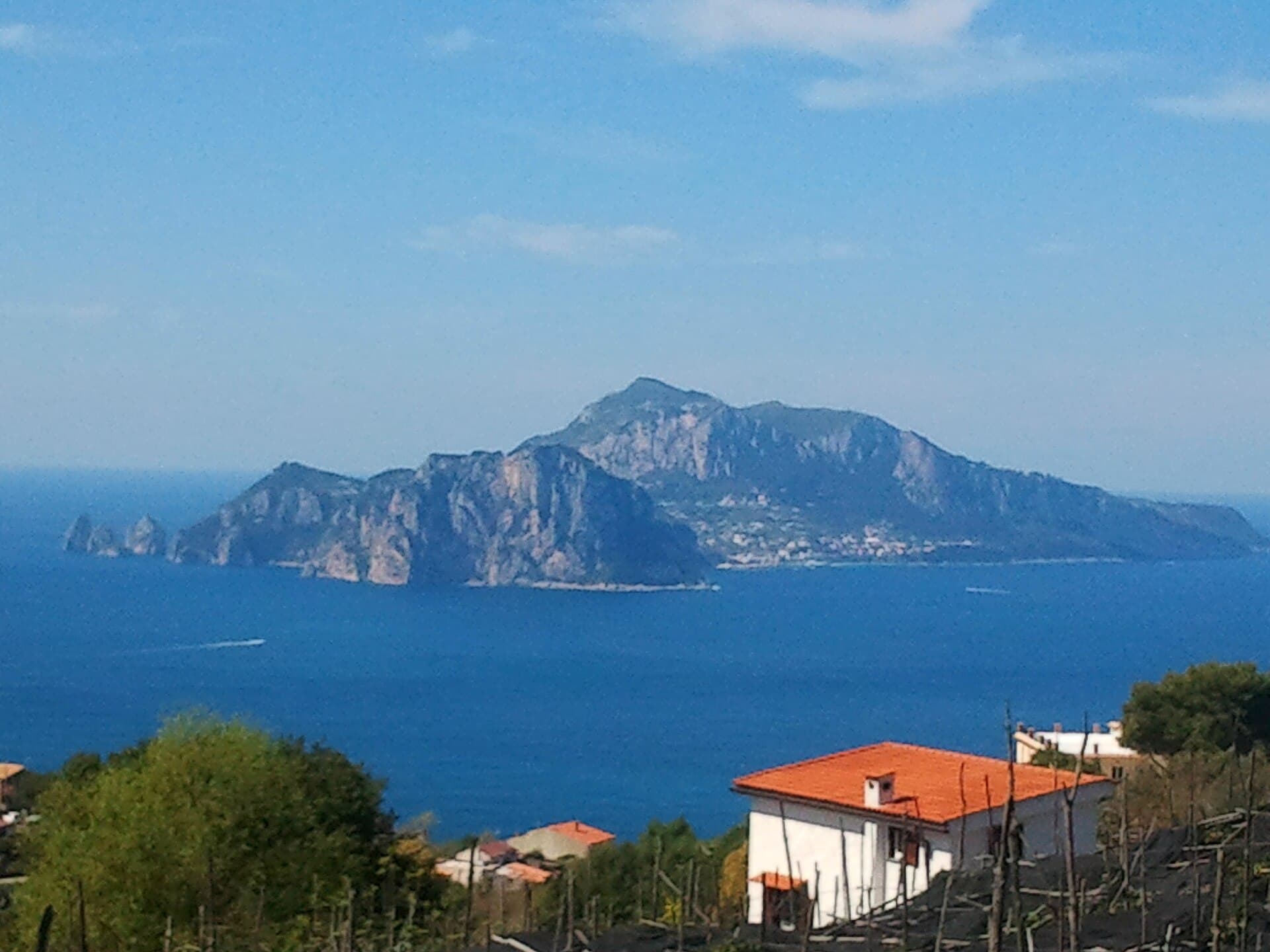
Capri, an island positioned off the Sorrento Peninsula in Italy's Bay of Naples, has enchanted visitors for centuries with its dramatic limestone cliffs, verdant plant life, and shimmering blue waters. This small island, spanning just 10 square kilometers, presents a fusion of natural splendor, ancient heritage, and refined elegance. From the moment your ferry approaches, the island's charm is evident, drawing you into a world where Roman emperors once sought solace and where, today, a lively mix of locals and international travelers mingle.
The island is divided into two primary municipalities: Capri, with its bustling Piazzetta and upscale boutiques, and Anacapri, a quieter village situated at a higher elevation on the slopes of Monte Solaro. Beyond these main settlements, Capri's coastline is dotted with sea caves, including the celebrated Blue Grotto, and distinctive rock formations like the Faraglioni. Whether you seek peaceful walks along cliffside paths, exhilarating boat excursions around the island, or simply a taste of the dolce vita in a lively piazza, Capri offers a multifaceted experience that leaves a lasting impression.
## From Prehistoric Settlement to Imperial Retreat Capri's narrative extends back to prehistoric eras, with archaeological findings indicating human presence since the Neolithic and Bronze Ages. Ancient discoveries, including colossal bones and stone weapons unearthed during Roman excavations, captivated Emperor Augustus, who displayed them in his villa's garden—an early instance of paleontological preservation. The island was initially settled by Greek communities, whom the Roman poet Virgil referred to as the Teleboi.
## Roman Emperors and Island Life Capri truly gained prominence during the Roman Empire, becoming a favored retreat for emperors. Augustus was the first to construct a villa here in 29 BC. His successor, Tiberius, was so captivated by the island that he relocated permanently to Capri in 27 AD, governing the Roman Empire from his magnificent Villa Jovis until his passing in 37 AD. He commissioned a total of twelve villas on the island, with Villa Jovis standing as one of Italy's best-preserved Roman villas. This imperial patronage significantly shaped the island's architecture and urban development.
## Medieval Struggles and Renaissance Flourishing After the Western Roman Empire's decline, Capri came under the control of the Duchy of Naples and endured numerous pirate raids, particularly from the Saracens. The island's inhabitants often sought refuge in caves during these tumultuous periods. In the 10th century, the population moved from seaside settlements to the higher towns of Capri and Anacapri to escape these incursions. Control of Capri shifted among various powers, including the Republic of Amalfi and the Kingdom of Naples. The 18th and 19th centuries saw renewed interest in the island, especially after the rediscovery of the Blue Grotto in 1826, attracting artists, intellectuals, and affluent visitors who established a cosmopolitan community.
## Modern Allure During the Napoleonic Wars, Capri served as a strategic point, changing hands between French and British forces before being returned to the Kingdom of the Two Sicilies in 1813. From the 1950s onward, Capri solidified its reputation as a glamorous destination, a "world capital of the Café Society," known for fashionable gatherings and luxury. Today, it remains a highly sought-after destination, balancing its ancient heritage with a contemporary appeal that draws visitors from across the globe.
Capri offers a varied array of sights, from natural wonders to historic residences. The Blue Grotto (Grotta Azzurra) is perhaps the most renowned, a sea cave where sunlight creates an extraordinary blue illumination. Entry is by small rowboat, often requiring visitors to recline to pass through the opening. For expansive views, take the chairlift from Anacapri to Monte Solaro, the island's highest point, offering vistas of the Bay of Naples and Mount Vesuvius.
Explore the Gardens of Augustus (Giardini di Augusto), botanical terraces with views of the distinctive Faraglioni rock formations and the winding Via Krupp. The Faraglioni themselves are three dramatic sea stacks rising from the Mediterranean, best observed from locations like Belvedere Tragara or during a boat tour. Delve into Roman history at Villa Jovis, the extensive ruins of Emperor Tiberius's residence. For a more tranquil experience, wander through Anacapri, the island's second town, known for its artisan shops and a more relaxed pace. Consider a boat tour around the island to uncover secluded coves and appreciate the dramatic coastline.
The most pleasant times to visit Capri are from April to mid-June and from early September to mid-October. During these periods, the weather is mild, flowers are in bloom, and the island experiences fewer crowds than in the peak summer months. July and August are the busiest, with high temperatures and a bustling atmosphere, drawing thousands of daily visitors. While lively, accommodations are more expensive and popular locations can be very crowded. The tourist season generally extends from Easter to the first weekend of November, with many establishments closing for the winter.
Capri is accessible solely by boat or ferry, with frequent services from Naples and Sorrento. During peak season, additional routes connect from Positano, Amalfi, Salerno, and Ischia. Ferry tickets can be purchased at the pier, though reserving in advance is advisable during high season to avoid long queues. Once on the island, public transportation includes buses, taxis, and a funicular connecting Marina Grande (the main port) to Capri town. The centers of Capri and Anacapri are reserved for pedestrians. Renting a scooter offers an option for independent exploration. ATMs are available, particularly in Marina Grande and near the Piazzetta, but carrying some cash is wise for smaller businesses. Booking accommodations and private tours in advance is recommended, especially during busy periods.