Zlatni Rat Beach
This iconic beach is known for its shifting shape, but a secret beneath the surface reveals a surprising past.
Full story unlocks in the tour
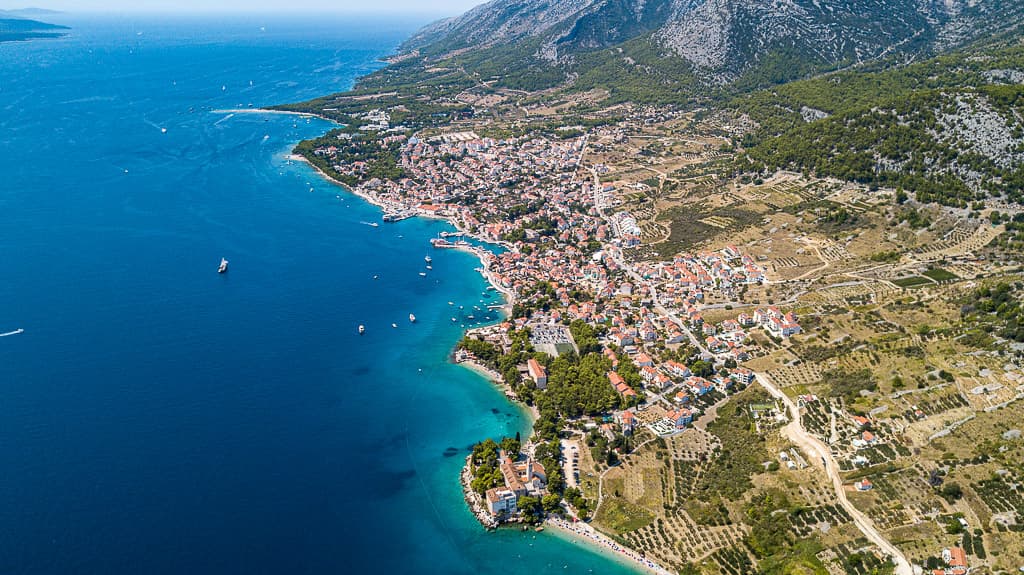 Marin0110 / CC BY-SA 4.0, via Wikimedia Commons
“Where the Golden Horn meets the Adriatic's embrace, and ancient stories drift on the sea breeze.”
Not the postcards. The stories even locals don't know — whispered in your ear, right where they happened.
This iconic beach is known for its shifting shape, but a secret beneath the surface reveals a surprising past.
The Dominican Monastery stands as a testament to centuries of history, but one of its most valuable treasures isn't what you might expect.
The name 'Stina' refers to the island's famous stone, but the winery's origins are rooted in a different kind of local collaboration.
Discover every secret of Bol
Every address, every reveal in full — in your ear, right where it happened.
You pick your stops. You walk. The voice reveals what the others miss.
No tours available yet. Check back soon — we're preparing them.
Bol, on the southern coast of Brač Island, is a captivating Croatian destination recognized for its natural beauty and relaxed atmosphere. It is often identified by its most famous landmark, Zlatni Rat beach, a unique pebble spit that gracefully extends into the Adriatic Sea. Beyond this iconic beach, Bol offers a blend of appealing old town streets, a picturesque waterfront, and a backdrop of verdant hills.
This oldest coastal settlement on Brač has evolved from a fishing village to a popular resort, drawing visitors with its crystal-clear waters, opportunities for active holidays, and glimpses into its cultural depth. Whether you seek a serene escape or an adventurous exploration, Bol provides a diverse experience, from its lively promenade to quieter coves and historical sites.
The history of Bol, and indeed the island of Brač, stretches back to prehistoric times, with evidence of human presence as early as the Mesolithic and certainly the Neolithic periods. The first known inhabitants were the Illyrians, who settled on the island during the second millennium BC. They utilized Bol's natural bay for fishing and trade, and remnants of their hillforts can still be found above the town, indicating the strategic importance of the location.
In the 1st century BCE, the Romans recognized Bol's fertile land and quarries, establishing agricultural estates known as villae rusticae. Archaeological findings, including remains of these Roman villas, ancient water cisterns, and early Christian sarcophagi, confirm continuous habitation during the Roman Empire. Bol was first mentioned as a locality in church records in the 12th century, and as a settlement in 1475, when Prince Zacharia donated the Glavica Peninsula to the Dominicans.
Throughout the centuries, Bol and Brač experienced various rulers, including the Byzantines, Venetians, Hungarians, and even Omis pirates, due to the island's strategic position in the Adriatic. The town flourished under Venetian rule in the 15th century, a period that saw the construction of churches and monasteries, including the Dominican Monastery founded in 1475. During this time, the local economy thrived on viticulture, fishing, and olive growing. Bol was also known for its shipbuilding, and by the 18th century, it had become a significant naval force on the Croatian side of the Adriatic.
After a period under Austrian control in the 19th century, Bol became part of Yugoslavia and later the independent Republic of Croatia. The official birth of organized tourism in Bol dates back to 1903 with the establishment of the "Society for the Beautification of Bol." The opening of the first guesthouse in 1923 marked the beginning of its hospitality industry. The construction of major hotel complexes in the 1960s and 70s, along with the opening of Brač International Airport in 1993, transformed Bol into a prominent tourist destination. Today, Zlatni Rat beach has become a global symbol of Croatian tourism, contributing to Bol's reputation as a world-class resort.
The main attraction in Bol is Zlatni Rat Beach, often called the Golden Horn, a unique pebble beach that shifts its shape with the wind and currents. It's a popular spot for swimming, sunbathing, and watersports like windsurfing and kitesurfing. A scenic promenade, shaded by pine trees, connects the town center to Zlatni Rat.
Explore the Bol Town Centre, with its appealing stone streets, local shops, and waterfront cafés. The Dominican Monastery, founded in the 15th century, sits on the Glavica peninsula and houses a museum with historical artifacts, including prehistoric finds and artworks. For expansive views of Bol, Zlatni Rat, and the surrounding islands, hike or drive to Vidova Gora, the highest peak on any Adriatic island.
Beyond the main sights, discover quieter beaches like Martinica Beach, located near the Dominican Monastery, or Borak Beach, known for watersports. Consider a visit to Dragon's Cave (Zmajeva Špilja), a cliff cave above the southern coast with medieval relief carvings. For wine enthusiasts, the Stina Winery in the town center offers tastings of local varietals.
The ideal time to visit Bol depends on your preferences. For warm weather activities and lively crowds, late June to late August is peak season, with July being the hottest month. However, Zlatni Rat beach can get very busy during this time.
For a more relaxed experience with pleasant weather and fewer tourists, consider the shoulder seasons: late May to mid-June, or September to mid-October. The sea remains warm, and most facilities are still open. Spring and early autumn are also excellent for exploring hiking trails and other outdoor activities without the intense summer heat.
Bol is a small town that is easily navigable on foot, with the town center, waterfront, and beaches all within walking distance. The promenade to Zlatni Rat Beach is a comfortable 15-20 minute walk, often shaded by pine trees. For exploring the wider island of Brač, renting an ATV, scooter, or car is recommended.
During peak season (July and August), Bol gets very busy, and parking can be challenging near the center. It's advisable to arrive early or park a bit further out and walk. Booking ferry tickets in advance is also recommended during this period. ATMs and card payments are widely accepted, and mobile coverage is generally good. While dogs are not allowed on Zlatni Rat, a dog-friendly beach is available a short walk west of the main stretch.