The Ring, Biel's Old Town
This cobblestone square, now a lively hub, once served a surprisingly stark purpose.
Full story unlocks in the tour
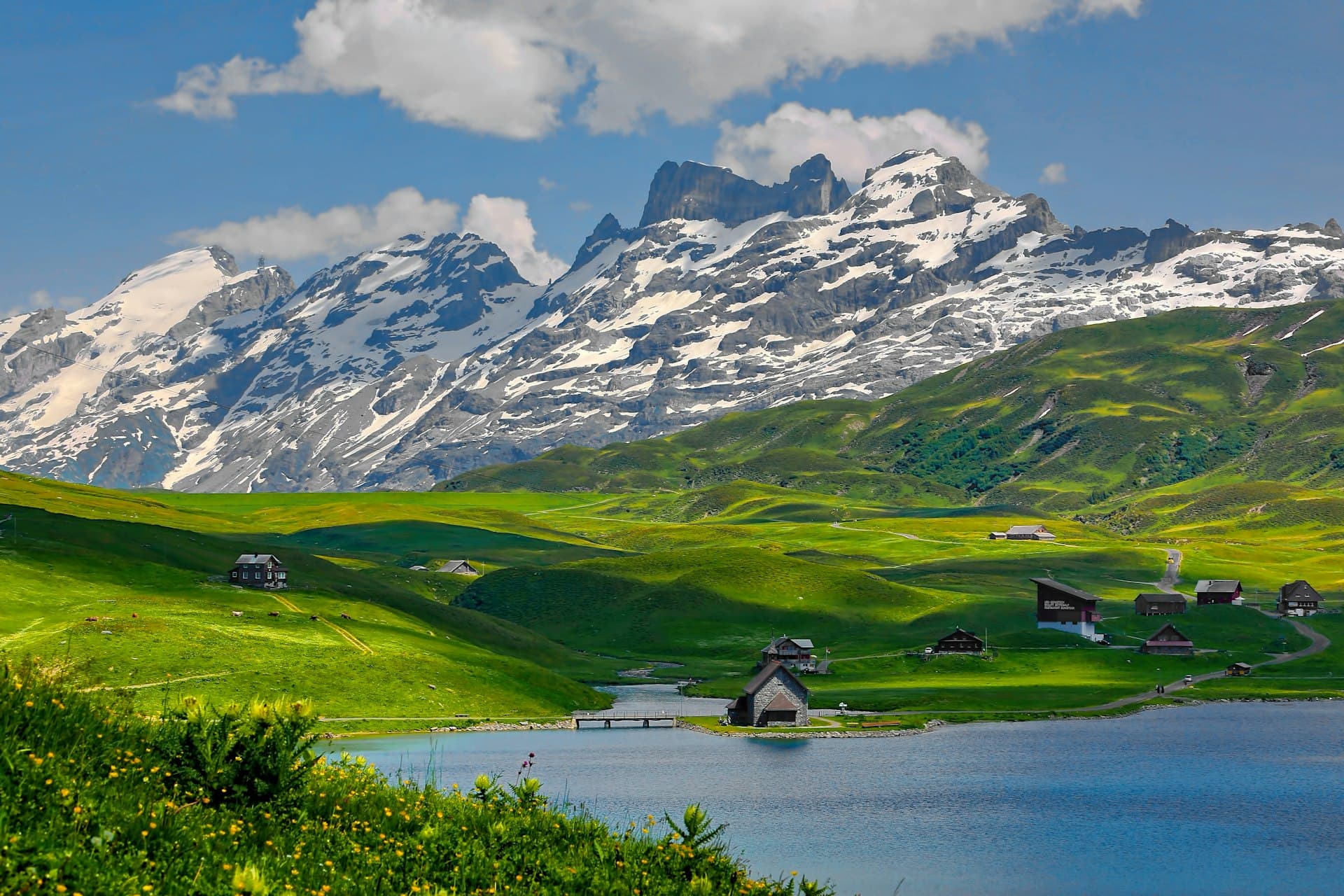 Photo: Ricardo Gomez Angel / Unsplash
“Where Swiss precision meets lakeside grace and two languages dance in harmony.”
Not the postcards. The stories even locals don't know — whispered in your ear, right where they happened.
This cobblestone square, now a lively hub, once served a surprisingly stark purpose.
Beyond its medieval core, Biel holds an architectural secret that rivals a famous Middle Eastern city.
This scenic natural wonder played a pivotal, yet unexpected, role in Biel's industrial rise.
Discover every secret of Bienne
Every address, every reveal in full — in your ear, right where it happened.
You pick your stops. You walk. The voice reveals what the others miss.
No tours available yet. Check back soon — we're preparing them.
Biel/Bienne, Switzerland's largest officially bilingual city, extends from the foot of the Jura Mountains to the northeastern shore of Lake Biel. This city, recognized globally as a center for watchmaking, gracefully combines an industrial heritage with natural beauty and an urban atmosphere. Visitors can wander through medieval streets, admire modernist architecture, and enjoy the tranquil lakeside, all within a city that effortlessly bridges different eras and influences.
The city's dual identity, reflected in its official name Biel (German) and Bienne (French), permeates daily life, from street signs to local conversations. This unique linguistic and cultural crossroads creates an open and welcoming environment, making it a functional, multicultural city that prioritizes authenticity over tourist polish. Whether drawn to its horological prowess, its diverse landscapes, or its singular cultural fusion, Biel/Bienne presents an engaging experience for those seeking to delve deeper into Switzerland's multifaceted character.
The story of Biel/Bienne stretches back to prehistoric times, with evidence of Neolithic settlements on stilts along the shores of Lake Biel. During the Roman Empire, a Roman road traversed the area, and foundations of Roman buildings have been discovered. The city's name itself may derive from an ancient god, Belenus, or an old word for 'axe,' a symbol still present on its coat of arms.
The modern city of Biel/Bienne was officially established between 1225 and 1230 by Heinrich von Thun, the Prince-Bishop of Basel. A castle, Biel Castle, was constructed around this time, and in 1275, King Rudolph of Habsburg granted Biel its own town charter, solidifying its legal standing. Despite being under the Bishop of Basel's jurisdiction for centuries, the city council frequently sought greater autonomy.
Biel/Bienne began forging alliances with neighboring cities in the 13th century, notably with Bern in 1279. This strengthened its ties with the Old Swiss Confederacy, and by 1494, after its involvement in the Burgundy Wars, Biel was recognized as a full member. In 1528, the city embraced Protestantism, following Bern's example, a significant shift in its religious and cultural landscape.
The French Revolution brought profound changes to Biel/Bienne. In 1798, French troops occupied the city, and it became part of France for a brief period. Following the fall of the French Empire, Biel joined the canton of Bern in 1815. The 19th century marked a pivotal era with the advent of industrial watch production, transforming Biel into a global center for watchmaking. The influx of watchmakers, including Louis Brandt, the founder of Omega, contributed to the city's industrial boom. The opening of the first railway line in 1857 further connected the city to major economic centers.
In the early 1900s, workers' rights became a central issue, leading to strikes and social reforms, including the construction of the Volkshaus (People's House) in the 1930s, a testament to the city's focus on social planning. Biel/Bienne's population peaked in the mid-1960s at around 65,000 residents. In 1978, the city was considered as the capital for the newly formed canton of Jura but ultimately remained with Bern. Since 2005, the official name has been "Biel/Bienne," formally acknowledging its bilingual status where German and French hold equal standing. Today, Biel/Bienne continues to evolve, with ongoing projects like the new Biel/Bienne Campus for the Bern University of Applied Sciences and the Switzerland Innovation Park, reinforcing its forward-looking spirit.
Biel/Bienne offers a diverse range of sights, from its well-preserved Old Town to its modern watchmaking hubs and natural surroundings. Begin your exploration in the Old Town (Altstadt), an area with narrow streets, historic fountains, and impressive guild houses. The City Church (Stadtkirche), a beautiful example of late-Gothic architecture dating from the 15th century, is a prominent landmark. Do not overlook the Fountain of Justice (Gerechtigkeitsbrunnen) and the Engelbrunnen fountain within the Old Town.
As a global center for watchmaking, Biel/Bienne is home to major watch brands. The Cité du Temps is a compelling visit, housing the museums of Swatch and Omega, offering insights into the evolution of watch fashion and iconic timepieces, including the Omega Speedmaster, the first watch on the moon. Beyond the Old Town, the city's New Town displays a striking collection of Bauhaus-style architecture.
For nature enthusiasts, the city's location on Lake Biel provides ample opportunities for boat cruises, walks along the promenade, and swimming during warmer months. Explore the nearby Taubenloch Gorge, a scenic ravine with a hiking trail along the Suze River, known for its steep rock faces and natural cooling. The Twannbach Gorge also offers a magnificent trail through a bucolic landscape. Consider a cruise on the three river-linked lakes—Lake Biel, Lake Neuchâtel, and Lake Murten—or explore the surrounding vineyards and wine-making villages like Twann and Ligerz.
The ideal time to visit Biel/Bienne is during the summer months, from June to August, when the weather is warm and pleasant, perfect for outdoor activities and festivals. During this period, average daytime temperatures range from 22-23°C, with July being the warmest month. This season offers opportunities for boating, paddle-boarding, kayaking, and swimming in Lake Biel. However, be prepared for occasional rain, as precipitation is distributed fairly evenly throughout the year. Autumn, from September to November, also provides pleasant weather, especially in early fall, with changing foliage and fewer crowds.
Biel/Bienne is well-connected and easily accessible. The city's railway station is a major hub within the Swiss Rail Network, with frequent trains from major Swiss cities like Bern (30 minutes), Zurich (75 minutes), Geneva (1 hour 40 minutes), and Basel (55 minutes). Bern Airport is the closest, though Zurich Airport offers more international connections. Driving to Biel/Bienne is also straightforward, with well-maintained roads.
Once in the city, most tourist sites are walkable. For longer distances or exploring areas outside the city center, public transportation, including buses and trolleybuses operated by VB/TPB, is efficient and extensive, running from early morning until midnight. Many hotels in Switzerland provide guests with a public transportation pass, so inquire about this upon arrival.
As a bilingual city, both German and French are widely spoken, and English is commonly understood, particularly in tourist areas. The cost of living reflects Swiss standards, and while it's a functional city, it offers an authentic experience. Remember to carry an umbrella or light raincoat, as rain can occur throughout the year.