La Ventana de Luz Vázquez
Imagine a serenade so profound, it didn't just win a heart, but helped compose a nation's soul.
Full story unlocks in the tour
 Marcel601 / CC BY-SA 3.0, via Wikimedia Commons
“Bayamo: Where the spirit of Cuba burns brightest.”
Not the postcards. The stories even locals don't know — whispered in your ear, right where they happened.
Imagine a serenade so profound, it didn't just win a heart, but helped compose a nation's soul.
This cathedral holds a secret within its walls, a blend of the sacred and the fiercely patriotic unlike any other.
Look closely at the horse-drawn carriages that navigate the city, and you'll uncover a surprising reason for their enduring presence beyond mere tradition.
Discover every secret of Bayamo
Every address, every reveal in full — in your ear, right where it happened.
You pick your stops. You walk. The voice reveals what the others miss.
No tours available yet. Check back soon — we're preparing them.
Bayamo, the capital of Granma province, is a city where history isn't just remembered; it lives and breathes in the well-worn streets and colonial architecture that remain. Known as the "Birthplace of Cuban Nationality" and a National Monument, Bayamo played an unparalleled role in Cuba's fight for independence. It's a place that invites you to slow down, perhaps take a ride in a horse-drawn carriage, and absorb the profound stories etched into its very foundations.
This eastern Cuban city, established in 1513, offers a unique window into the island's past and present. From the stirring origins of the national anthem to the defiant act of its citizens burning their own city rather than surrendering it, Bayamo's narrative is one of unwavering spirit and cultural pride.
## The Cradle of Cuban Identity Bayamo was established in 1513 by Spanish conquistador Diego Velázquez, making it one of Cuba's oldest cities. Throughout the 16th century, its inland location offered a degree of protection from pirates, allowing it to become a significant agricultural and commercial hub. The city's prosperity was further fueled by an active smuggling trade, which contributed to the accumulation of considerable wealth and provided its residents with access to education.
Bayamo's true historical significance, however, lies in its pivotal role in Cuba's struggle for independence. In 1868, Carlos Manuel de Céspedes, a Bayamo native and plantation owner, initiated the Ten Years' War by freeing his slaves and declaring independence from Spain. This revolutionary act earned him the title "Father of the Fatherland." On October 20, 1868, after the city's liberation, the Cuban National Anthem, "La Bayamesa," was sung for the first time in what is now Anthem Plaza. Perucho Figueredo, a participant in the battle, penned the anthem's lyrics while on horseback.
Just months later, facing the imminent recapture of the city by Spanish forces on January 12, 1869, the residents of Bayamo made a heroic and extraordinary decision: they set their own city ablaze. This act of self-sacrifice, intended to prevent the city from falling intact into Spanish hands, destroyed much of its colonial architecture but cemented Bayamo's legacy as "Torch City." The San Salvador Cathedral, for example, was nearly destroyed, with only the Chapel of La Dolorosa surviving. Despite the devastation, the rebellious spirit of Bayamo endured, paving the way for future independence movements. The city was later rebuilt, primarily in the late 19th and early 20th centuries.
## Bayamo's Enduring Legacy Bayamo continued to be a center of intellectual and artistic tradition. Its commitment to preserving its unique identity is evident in its continued use of horse-drawn carriages as a primary mode of transportation, earning it the moniker "City of Coaches." Today, Bayamo stands as a testament to Cuban resilience and a lively center of culture, celebrating its heritage with events like the Fiesta de la Cubanía.
Bayamo's historic center is a walkable area, making it easy to explore its key sites on foot. Begin at Parque Céspedes, also known as Plaza de la Revolución, a central gathering place where you can find monuments and enjoy open-air concerts. Nearby, the Casa Natal de Carlos Manuel de Céspedes offers insight into the life of the "Father of the Fatherland," with memorabilia from the 1868 revolution.
The San Salvador de Bayamo Parochial Church is a significant stop, particularly for its Chapel of La Dolorosa, which dates back to 1740 and features a beautiful Baroque altarpiece. Observe the unique patriotic mural inside the cathedral. The Plaza del Himno commemorates the first performance of Cuba's national anthem. You can also visit the Ventana de Luz Vázquez, a historical monument marking the spot where "La Bayamesa," Cuba's first romantic song, was serenaded.
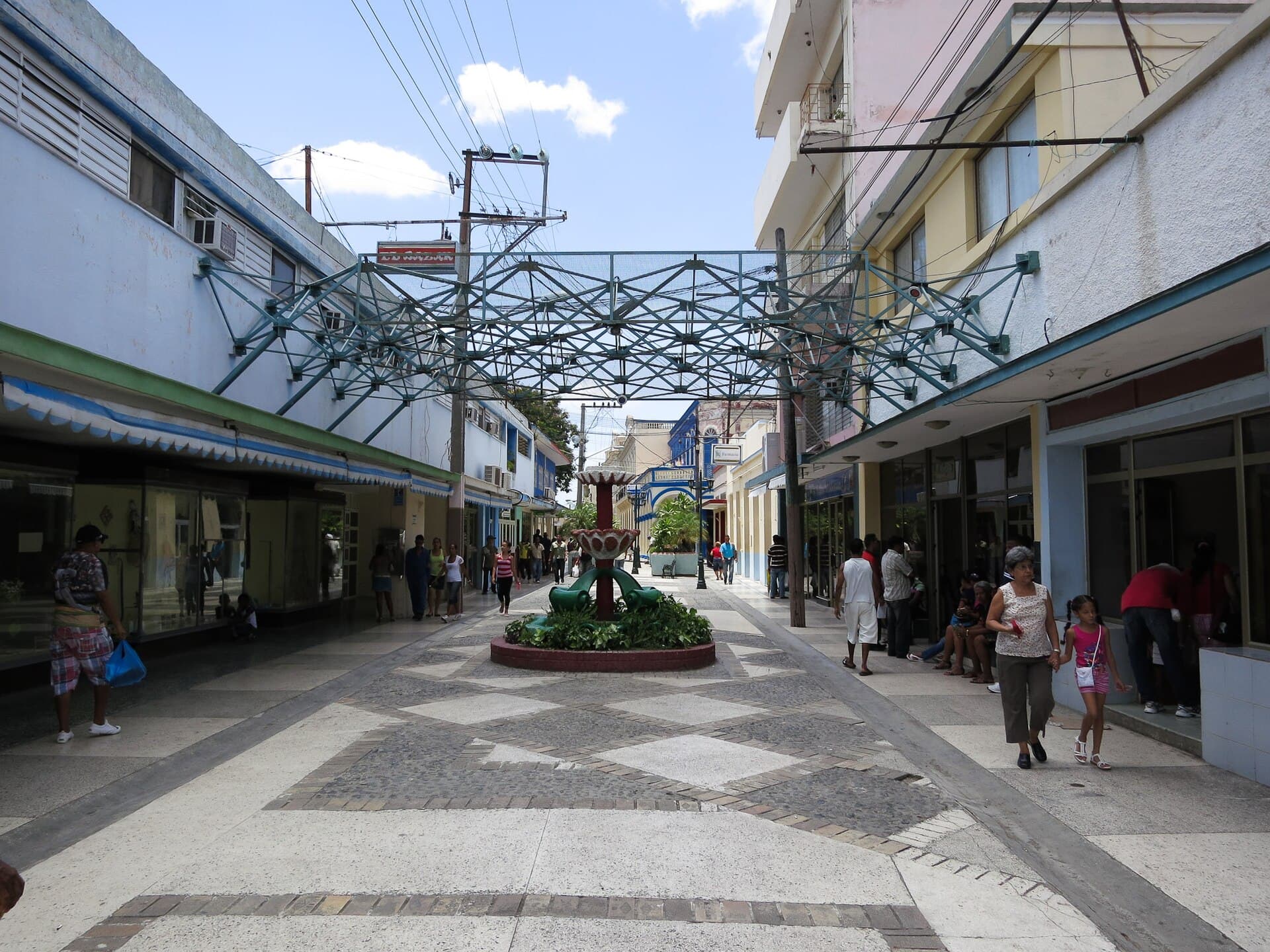
Take a walk along the Paseo Bayamés, a lively pedestrian corridor lined with shops, sculptures, and art installations. For a deeper dive into local history, the Museo Provincial Manuel Muñoz Cedeño houses artifacts from the colonial and revolutionary periods, including documents and photographs from the 1869 fire. Bayamo is also home to the country's only Wax Museum (Museo de Cera), featuring figures of famous Cuban heroes.
The most pleasant time to visit Bayamo for general outdoor activities is from mid-December to late March, with a peak in late January, when the weather is clear and rainless with perceived temperatures between 65°F and 80°F (18°C and 27°C). For those seeking warm-weather activities like beaches and pools, mid-November to early May is ideal, with a peak in late March, offering clear, rainless days with perceived temperatures between 75°F and 90°F (24°C and 32°C). The dry season in Cuba runs from November to April, offering warmer temperatures and minimal rainfall.
Bayamo is approximately 760 kilometers east of Havana and 100 kilometers west of Santiago de Cuba. The Carlos Manuel de Céspedes Airport (BYM) is located 10 kilometers north of the city. Taxis from the airport to the city center typically cost CUC$5-CUC$8. Long-distance buses, such as Viazul and Ómnibus Nacionales, connect Bayamo to Havana and Santiago, with journeys lasting around 12-14 hours. Within Bayamo, the compact historic center is easily explored on foot. Horse-drawn carriages and bicitaxis are popular and affordable options for getting around town, typically costing CUC$1 to CUC$2. Car rentals are available, but road conditions can be variable, and signs may be scarce. Currency exchange services are available at CADECA and Banco de Crédito y Comercio branches.