Holy Trinity Church
The Ottoman Empire imposed strictures on the scale and visibility of non-Muslim places of worship.
Full story unlocks in the tour
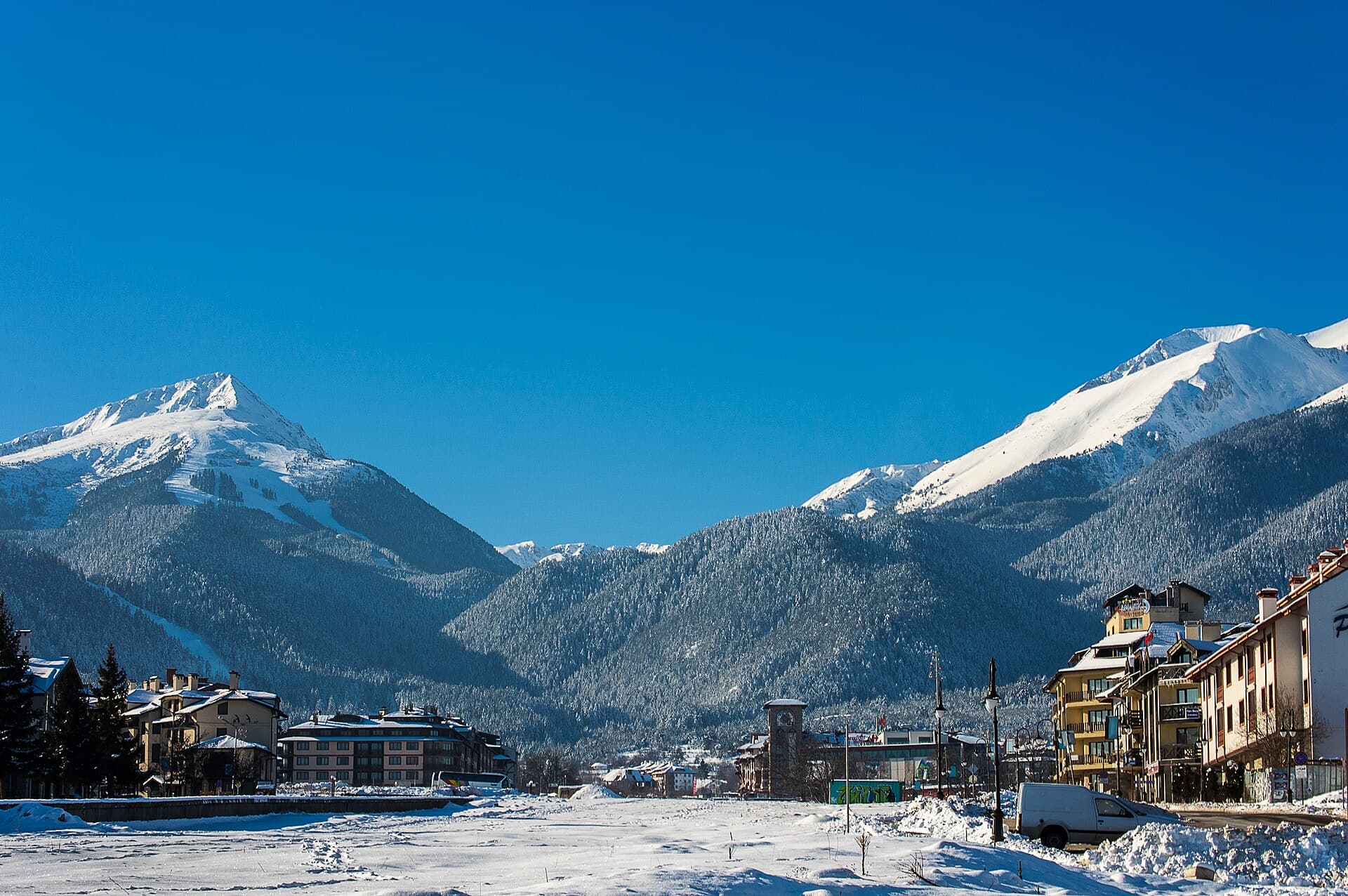 www.bdmundo.com / CC BY-SA 2.0, via Wikimedia Commons
“Ancient stones greet alpine skies; Bansko stirs with revival and adventure.”
Not the postcards. The stories even locals don't know — whispered in your ear, right where they happened.
The Ottoman Empire imposed strictures on the scale and visibility of non-Muslim places of worship.
Wander the pathways of the old town, and you may observe an unusual characteristic in some of the older homes.
Pirin National Park, a UNESCO World Heritage Site, conceals more than its natural splendor.
Discover every secret of Bansko
Every address, every reveal in full — in your ear, right where it happened.
You pick your stops. You walk. The voice reveals what the others miss.
No tours available yet. Check back soon — we're preparing them.
Bansko, a town cradled in the southwest of Bulgaria, offers a compelling blend of mountain grandeur and cultural depth. It began as a small agricultural and trading settlement, gradually evolving into a significant center for commerce and craftsmanship. Today, it is widely recognized for its winter sports, drawing visitors to its slopes and the crisp mountain air.
Beyond the ski runs, Bansko maintains a distinct character, evident in its architecture and the rhythms of daily life. The town serves as a gateway to the Pirin Mountains, inviting exploration of their rugged terrain and diverse ecosystems. It is a place where the echoes of a resilient past resonate alongside the energetic pulse of contemporary leisure.
## Early Beginnings and Ottoman Influence Bansko's origins trace back to the 9th or 10th century, developing as a small village. Its strategic location at the foot of the Pirin Mountains, near important trade routes, contributed to its gradual growth. During the Ottoman rule, which spanned nearly five centuries, Bansko managed to retain a degree of autonomy, largely due to its remote location and the resourcefulness of its inhabitants. This period saw the construction of fortified houses, a testament to the community's need for self-protection against bandits.
## The Bansko School of Art and Architecture The 18th and 19th centuries marked a period of significant cultural and economic flourishing for Bansko. It became a prominent center for the Bansko School of Art, known for its distinctive icon painting and woodcarving. Master artists like Toma Vishanov and Dimitar Molerov left an indelible mark, their works adorning churches and homes across the region. The town's architecture from this era, characterized by sturdy stone houses with high walls and inner courtyards, reflects both prosperity and the enduring need for security.
## Revival and Modern Transformation The late 19th century brought the Bulgarian National Revival, and Bansko played a role in this awakening. Figures like Paisius of Hilendar, often considered the founder of the Bulgarian National Revival, hailed from the region, fostering a sense of national identity. In the 20th century, particularly after the fall of communism, Bansko underwent a dramatic transformation. Its potential as a winter sports destination was recognized and developed, leading to the construction of modern ski facilities and an influx of tourism. This evolution has reshaped the town, blending its historical foundations with the amenities of a contemporary resort.
Begin your exploration at the Holy Trinity Church, an architectural marvel from the 19th century, notable for its intricate woodcarvings and frescoes. Wander through the Old Town to admire the preserved Revival-era houses, many now housing museums or guesthouses. The House-Museum of Nikola Vaptsarov honors the renowned Bulgarian poet, offering insight into his life and work. For art enthusiasts, the Permanent Icon Exhibition showcases exquisite examples from the Bansko School of Art. A short journey leads to Pirin National Park, a UNESCO World Heritage site, where marked trails invite hikers to discover alpine lakes, ancient forests, and dramatic peaks. During winter, the ski resort offers extensive slopes and facilities for all levels.
For winter sports, December to March offers optimal snow conditions. To experience the Pirin Mountains for hiking and outdoor activities, the warmer months from June to September are ideal. Spring and autumn provide milder temperatures, fewer crowds, and a chance to witness the changing seasons.
Bansko is accessible by bus from Sofia, with regular services connecting the capital to the town. Within Bansko, the town center is walkable, and a gondola provides access to the ski slopes. Bulgarian Lev (BGN) is the local currency. ATMs are available throughout the town. Most establishments accept credit cards, but it's advisable to carry some cash for smaller purchases. English is spoken in tourist areas, but learning a few basic Bulgarian phrases can enhance your experience.