Bangor Cathedral
Within the ancient walls of Bangor Cathedral, beyond the grand Gothic columns and stained glass, a tiny detail often goes unnoticed.
Full story unlocks in the tour
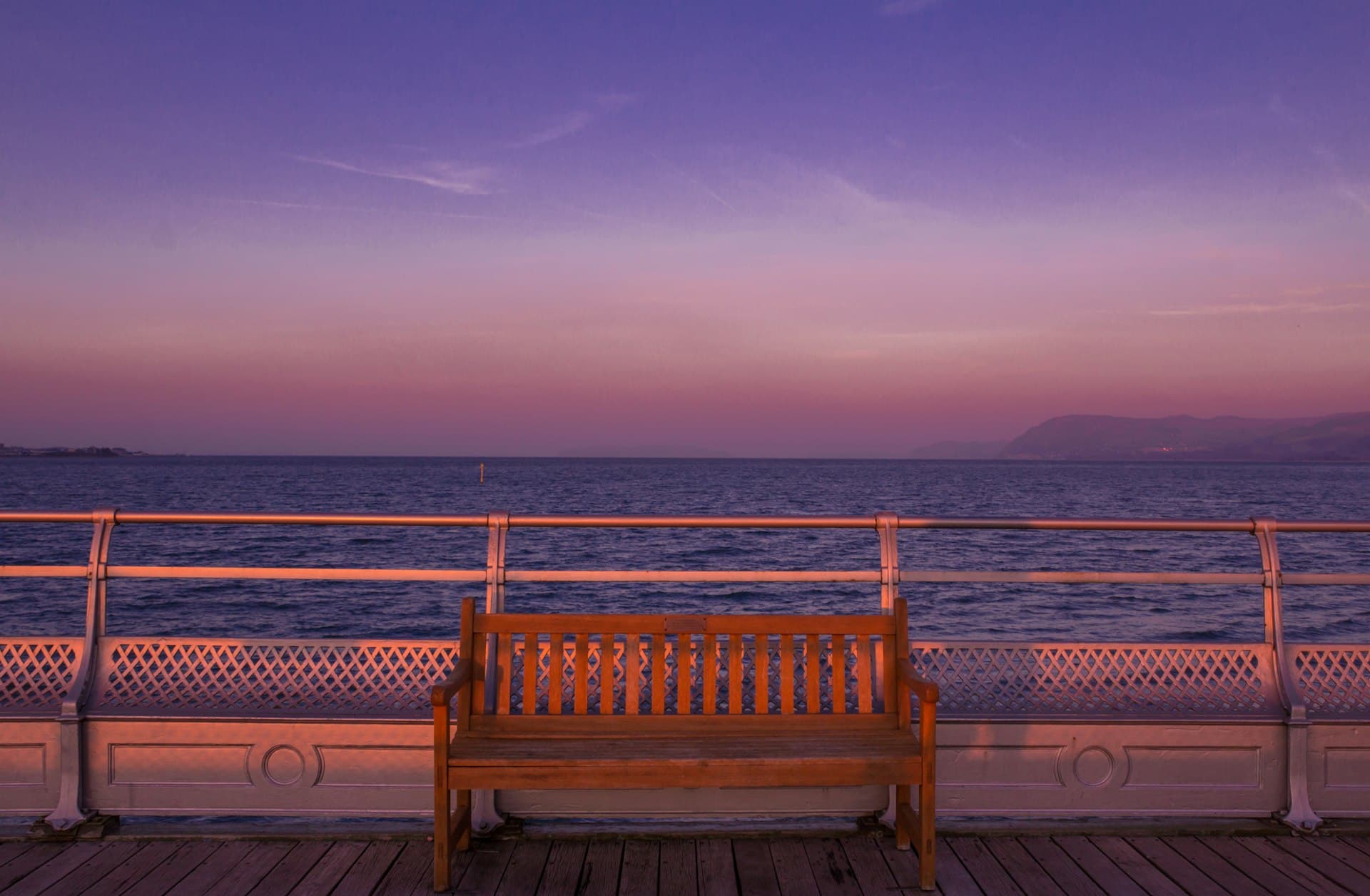 Photo: Edrick Velicaria / Unsplash
“Where ancient roots meet modern adventure, on the edge of the wild Welsh coast.”
Not the postcards. The stories even locals don't know — whispered in your ear, right where they happened.
Within the ancient walls of Bangor Cathedral, beyond the grand Gothic columns and stained glass, a tiny detail often goes unnoticed.
Bangor's Victorian pier, a graceful wooden promenade stretching into the Menai Strait, once faced an uncertain future.
The imposing 19th-century neo-Norman Penrhyn Castle holds a surprising connection to a famous Irish stout.
Discover every secret of Bangor
Every address, every reveal in full — in your ear, right where it happened.
You pick your stops. You walk. The voice reveals what the others miss.
No tours available yet. Check back soon — we're preparing them.
Bangor, a city in Gwynedd, North Wales, offers a convergence of deep history and natural splendor. It stands as the oldest city in Wales and one of the UK's most compact urban areas. Positioned between the shimmering Menai Strait and the foothills of Eryri (Snowdonia) National Park, Bangor presents a singular blend of coastal vistas and mountain grandeur. The city's character is shaped by its venerable cathedral, its university, and a thriving Welsh-speaking community.
Those who come to Bangor will find a relaxed atmosphere, providing easy access to both historical landmarks and outdoor pursuits. The city serves as a convenient starting point for exploring the dramatic North Wales coastline, the Isle of Anglesey, and the expansive Eryri National Park, which is only a 20-minute drive away. Whether drawn to ancient sites, watersports, or simply a taste of Welsh culture, Bangor extends a friendly and welcoming invitation.
## From Monastic Roots to Industrial Hub Bangor's story begins in the early 6th century with the establishment of a monastic settlement by the Celtic saint Deiniol on the very ground where Bangor Cathedral now stands. The name 'Bangor' itself originates from an old Welsh term for a wattled enclosure, referencing the fence that originally surrounded this religious community. For many centuries, Bangor remained a modest settlement.
The city's expansion began in earnest in the 18th century. From approximately 1785 to 1840, Bangor formed a crucial link in the London-Holyhead-Dublin corridor, a significant route for mail coaches. However, its true growth was fueled by the burgeoning slate industry, particularly the nearby Penrhyn Quarry, one of the world's largest slate quarries. Bangor became a vital center for the distribution and commerce associated with this industry. The construction of the Menai Suspension Bridge in 1826 further strengthened Bangor's connections, linking it more effectively to England and Ireland.
By the 19th century, Bangor also saw efforts to develop as a seaside destination, though it never quite achieved the same level of sandy beach tourism as towns like Rhyl and Llandudno. Nevertheless, the Victorian era brought the construction of Garth Pier, which opened in 1893. In 1884, Bangor University was founded, initially with just 58 students and operating out of an old coaching inn. Over a century later, it has grown into a respected institution with a diverse student population, contributing significantly to the city's lively and international atmosphere.
Begin your exploration at Bangor Cathedral, the spiritual core of the city and one of the oldest Christian sites in the UK, with origins in the 6th century. Inside, seek out the rare 15th-century oak carving known as the Mostyn Christ.
A short distance from the city center stands Penrhyn Castle, a grand 19th-century neo-Norman fortress. Built from the profits of the Welsh slate industry and sugar plantations, it features elaborate interiors and extensive gardens, now cared for by the National Trust. The castle grounds offer walking paths with vistas of the Menai Strait.
For coastal vistas, wander along Garth Pier, the second-longest pier in Wales. This Grade II listed Victorian pier, extending nearly half a kilometer, provides expansive views of the Menai Strait and the Isle of Anglesey. Along its length, you will discover kiosks offering refreshments and local crafts.
The Storiel museum and art gallery, housed in the former Bishop's Palace, illuminates the heritage of the Gwynedd region through Welsh art, archaeological finds, and temporary exhibitions. For those seeking outdoor thrills, Zip World Penrhyn Quarry, a short drive away, offers Velocity 2, the world's fastest zipline, soaring over a vast slate quarry.
Bangor welcomes visitors throughout the year, but the period from late spring to early autumn (May to September) generally offers mild weather and conditions ideal for walking and outdoor activities. Summers are perfect for exploring the Menai Strait and coastal trails. For warm-weather pursuits, late June to early September is considered the best time, with a peak in late July. During this time, most university students are away, making the city a quieter place than other North Wales tourist centers.
Bangor is well-connected by road and rail, with direct train links to Chester, Manchester, Birmingham, and London. The city center is compact and easily walked, with most amenities, including Bangor University buildings, within comfortable reach. Public buses and trains offer convenient day trips to nearby towns like Caernarfon and Conwy. For greater flexibility in exploring the surrounding region, renting a car is advisable, with options available in Bangor or larger transport hubs. The local currency is the British Pound (£). Bangor experiences a temperate oceanic climate with mild winters, cool summers, and frequent rainfall throughout the year, so packing layers and waterproofs is a good idea.