Mittlere Brücke (Middle Bridge)
Basel's medieval Middle Bridge, a marvel of 13th-century engineering, conceals a surprising detail about its original patrons.
Full story unlocks in the tour
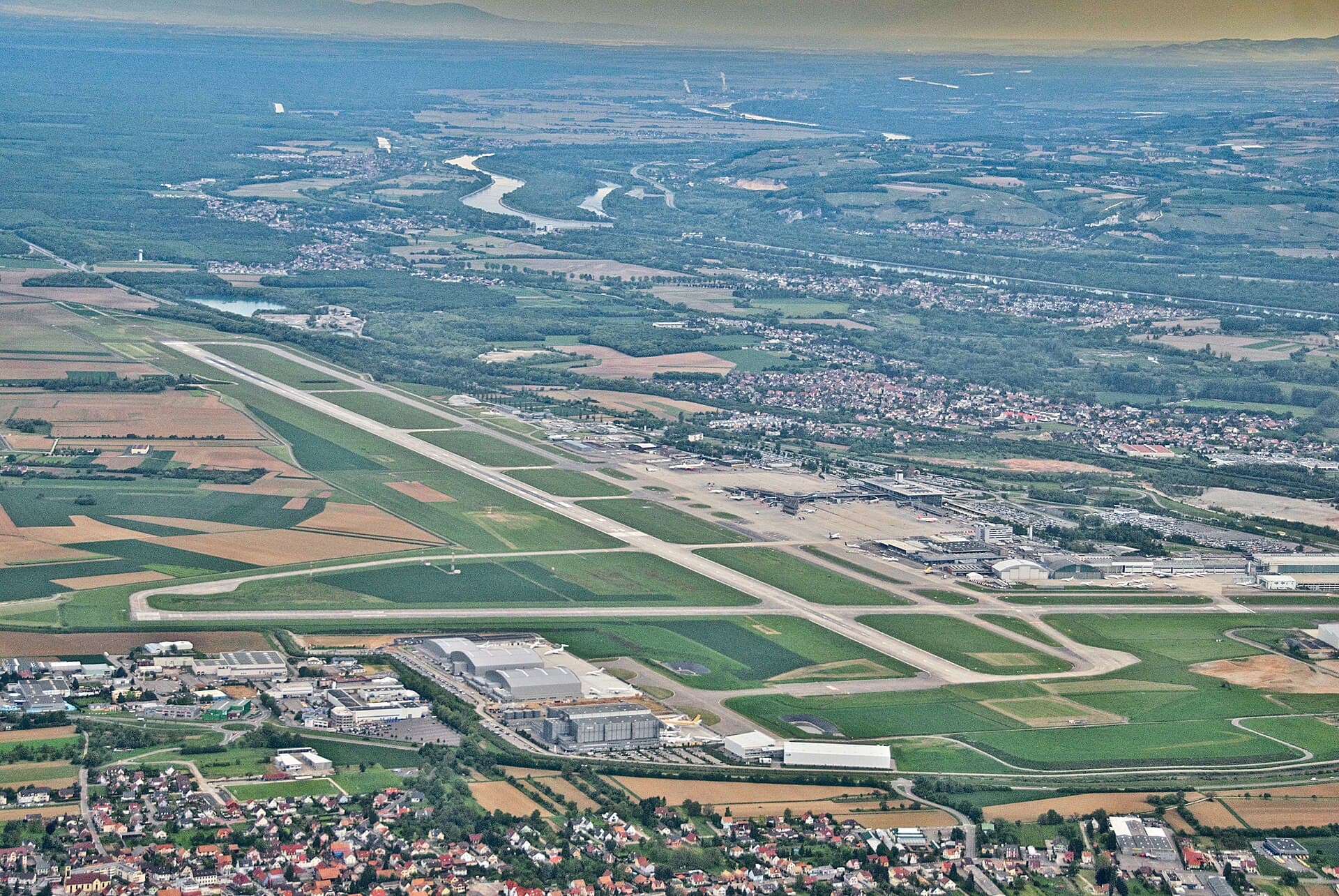 Aero Icarus from Zürich, Switzerland / CC BY-SA 2.0, via Wikimedia Commons
“Where the Rhine flows, art thrives, and three countries converge.”
Not the postcards. The stories even locals don't know — whispered in your ear, right where they happened.
Basel's medieval Middle Bridge, a marvel of 13th-century engineering, conceals a surprising detail about its original patrons.
Among Basel's many museums, one is so diminutive it could easily be overlooked, yet it tells a singular story of local ingenuity.
A particular fountain in Basel is linked to a mythical creature, a legend woven into the very fabric of the city's identity.
Discover every secret of Bâle
Every address, every reveal in full — in your ear, right where it happened.
You pick your stops. You walk. The voice reveals what the others miss.
No tours available yet. Check back soon — we're preparing them.
Basel, Switzerland's third most populous city, is a lively center where the Rhine River gracefully divides the urban landscape into Grossbasel and Kleinbasel. It rests at a singular junction, sharing borders with both France and Germany, which lends it a distinct international character. This strategic position has shaped Basel into an important cultural and economic center since the Renaissance, evolving into a hub for the chemical and pharmaceutical industries in the 20th century.
Often called Switzerland's cultural capital, Basel is celebrated for its exceptional art scene and numerous museums, holding the highest density of museums in the country. Beyond its artistic prowess, the city offers a high quality of life, marked by its cleanliness, safety, and efficient public transportation. Whether you are drawn to its historical depth, modern innovation, or the relaxed pace of life along the Rhine, Basel offers a compelling array of experiences.
## From Roman Outpost to Renaissance Center Basel's beginnings can be traced to a Celtic settlement in the 2nd century BC, followed by a Roman presence, with evidence of a settlement at the Rhine knee from the early La Tène period. The city truly began to flourish in the 11th century as the seat of a Prince-Bishopric. A pivotal moment arrived in 1225 with the construction of the first bridge across the Rhine, the Mittlere Brücke, which transformed Basel into a vital medieval trade center. This strategic importance led Basel to join the Swiss Confederacy in 1501 as its eleventh canton, a unique invitation extended due to its location and trade relations.
## A Center of Humanism and Reformation During the Renaissance, Basel became a significant cultural center. The University of Basel, founded in 1460, is Switzerland's oldest university and became a beacon for humanism with figures like Erasmus of Rotterdam. The city also played a crucial role in the Protestant Reformation. Basel's dedication to culture is evident in its establishment of the world's first public art collection in 1661, which laid the groundwork for the renowned Kunstmuseum Basel.
## Modern Milestones and Global Influence The 19th and 20th centuries saw Basel develop into a center for the chemical and pharmaceutical industries, hosting global headquarters for companies like Novartis and Roche. In 1874, Switzerland's first zoo, Zoo Basel, opened its doors. Basel also holds a significant place in modern political history, having hosted the first World Zionist Congress in 1897, and ten times in total—more than any other city. Furthermore, in 1938, the psychedelic drug LSD was first synthesized in Basel by Swiss chemist Albert Hofmann.
Today, Basel continues its legacy as an international city, home to the world headquarters of the Bank for International Settlements and known globally for events like Art Basel, a premier fair for modern and contemporary art.
Begin your exploration in the Old Town (Altstadt), a maze of small squares, secluded courtyards, and historic buildings. Take time to wander along Spalenberg Street with its distinctive shops and old-world architecture. The Basler Münster, a Gothic cathedral with red sandstone walls and colorful roof tiles, rises above the city, and the arched gallery beside it offers sweeping views over the Rhine.
The Mittlere Brücke is not merely a crossing but a historic landmark providing wide-ranging views of the Rhine. For a singular perspective, consider a non-motorized ferry ride across the river, propelled solely by the current. The Tinguely Fountain, with its playful, kinetic sculptures, offers a whimsical interlude. Basel is a city of museums, with over 40 options. The Kunstmuseum Basel houses the world's oldest public art collection, spanning from the early 15th century to the present. Other notable museums include the Fondation Beyeler for modern art, and the Museum Tinguely dedicated to the artist's kinetic works. For a different kind of experience, the Zoo Basel is Switzerland's oldest and largest zoo.
Basel offers distinct attractions throughout the year. The summer months (June to August) are favored for their warmer climate, lively events, and opportunities for swimming in the Rhine. However, this is also the busiest tourist season, with higher accommodation prices. Spring (March to May) brings blooming flowers and pleasant temperatures, making it ideal for walking and outdoor cafés. The renowned Basler Fasnacht, Switzerland's largest carnival, takes place in February or March, offering a unique cultural experience. Autumn (September to November) provides mild weather into mid-October and fewer crowds, perfect for sightseeing and enjoying seasonal Swiss dishes. For those who enjoy festive atmospheres, December is magical with Basel hosting Switzerland's largest Christmas market.
Switzerland uses the Swiss Franc (CHF). While card payments are widely accepted, it's wise to have some cash for smaller purchases. The official language is German, but the local variant, Basel German (Baseldytsch), is commonly spoken. Many younger residents and those in tourist-facing roles also speak English and French. Basel has an excellent public transport network of trams and buses, known for its punctuality. If you stay overnight in a Basel hotel, hostel, or even Airbnb, you will receive a BaselCard, which provides free public transport and discounts on museums and attractions. Sundays are generally quiet, with most shops and supermarkets closed, though museums, restaurants, and public transport operate normally. Switzerland is not part of the EU, so check your mobile roaming plans to avoid unexpected charges.