Episcopal Palace of Astorga
Gaudí's whimsical palace in Astorga holds a secret about its intended purpose.
Full story unlocks in the tour
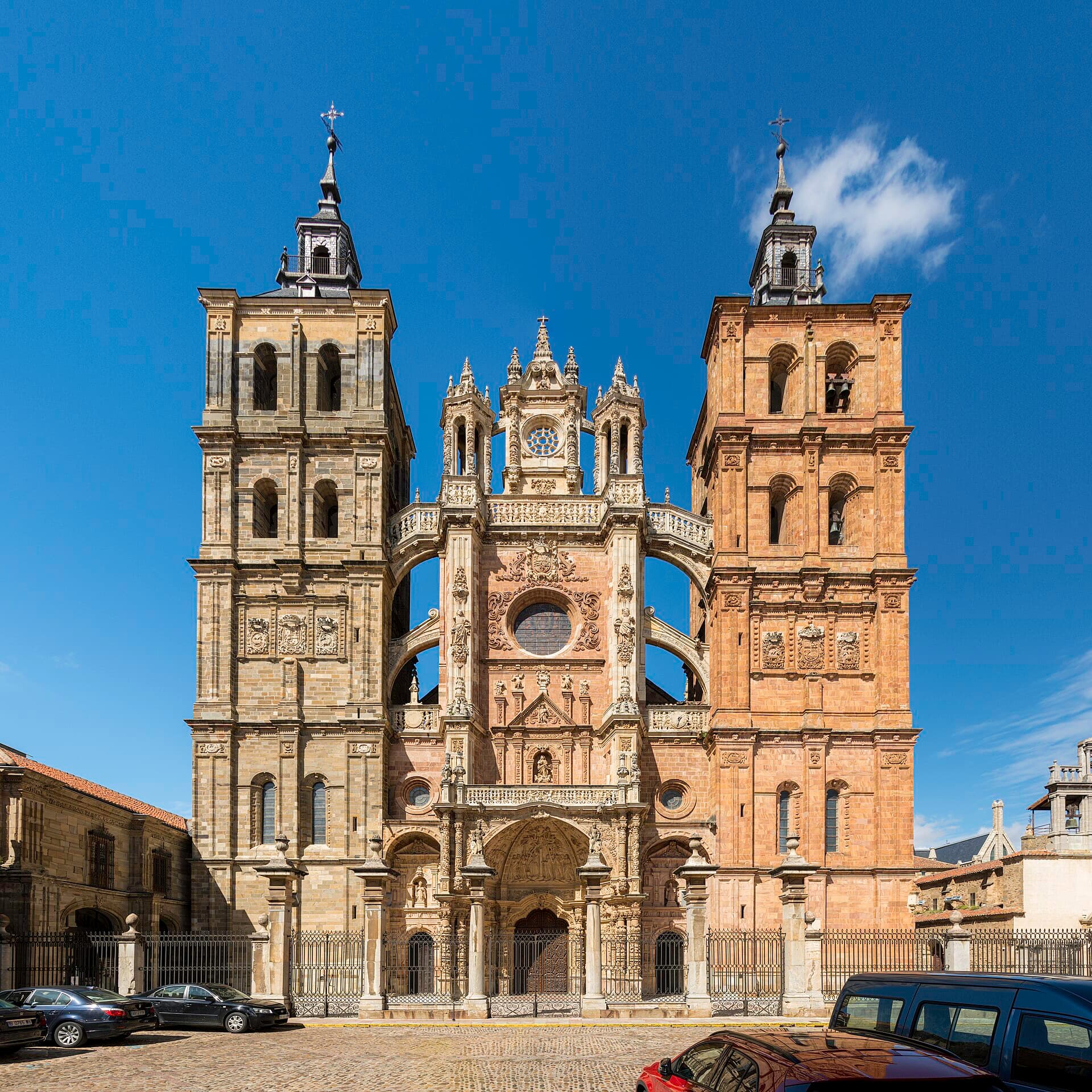 Fernando / CC BY-SA 4.0, via Wikimedia Commons
“Where Roman roads and pilgrim paths converge, history unfolds in stone and chocolate.”
Not the postcards. The stories even locals don't know — whispered in your ear, right where they happened.
Gaudí's whimsical palace in Astorga holds a secret about its intended purpose.
The two prominent towers of Astorga's Cathedral tell a subtle story of time.
Astorga's reputation as a chocolate capital has an unexpected origin story involving ancient trade routes.
Discover every secret of Astorga
Every address, every reveal in full — in your ear, right where it happened.
You pick your stops. You walk. The voice reveals what the others miss.
No tours available yet. Check back soon — we're preparing them.
Astorga, a city in the province of León, Spain, sits at a crossroads where ancient Roman roads and the Camino de Santiago converge. This convergence has shaped its character, leaving behind layers of history etched in its architecture and traditions. The city's enduring spirit is palpable in its grand cathedral, the unique Gaudí palace, and the aroma of artisanal chocolate that wafts from its confectioneries.
Walking through Astorga is to trace the footsteps of pilgrims and emperors. The city's walls, some of which date back to Roman times, encircle a compact center where every corner reveals a piece of its storied past. From the bustling Plaza Mayor, the heart of local life, to the quiet courtyards, Astorga invites exploration, offering a genuine encounter with Castilian culture and the enduring legacy of the Camino.
## The Roman Foundation Astorga's origins are deeply rooted in the Roman Empire. Founded as Asturica Augusta, it served as a vital military outpost and administrative center in Hispania. Its strategic location at the junction of several Roman roads, including the Vía de la Plata, facilitated trade and communication, contributing to its early prosperity. Evidence of this Roman past is still visible in the city walls and archaeological remains, offering glimpses into its ancient urban planning.
## Medieval Flourishing and the Camino During the Middle Ages, Astorga's prominence grew significantly due to its position on the Camino de Santiago. Pilgrims from across Europe passed through its gates, fostering a lively economy and cultural exchange. The construction of the Astorga Cathedral, a magnificent edifice that evolved over centuries, began during this period, reflecting the city's spiritual importance. The Maragato muleteers, a local community of traders, also played a crucial role, connecting Astorga to distant regions and contributing to its economic dynamism.
## Modern Eras and Enduring Traditions While the Roman and medieval periods defined much of Astorga's character, later centuries brought further developments. The Episcopal Palace, designed by the renowned architect Antoni Gaudí in the late 19th century, stands as a striking example of modernista architecture, though its intended use never materialized. Today, Astorga continues to honor its heritage, with the Camino de Santiago remaining a central part of its identity. The city's chocolate-making tradition, a legacy of the Maragato traders, also endures, delighting visitors with its artisanal creations. Astorga stands as a testament to its layered past, where each era has left an indelible mark on its landscape and spirit.
Begin your exploration at the Astorga Cathedral, a grand structure showcasing Gothic, Renaissance, and Baroque elements. Its intricate facades and soaring interior are a testament to centuries of craftsmanship. Adjacent to the cathedral, discover the Episcopal Palace, an imaginative work by Antoni Gaudí, whose whimsical design contrasts sharply with its historical surroundings. This building now houses the Museo de los Caminos, offering insights into the Camino de Santiago.
Walk along sections of the ancient Roman Walls, which still encircle parts of the city, providing a tangible link to its distant past. Explore the Roman Museum, located within the Roman Ergastula, to delve deeper into Astorga's foundational history. Conclude your visit with a taste of the city's renowned chocolate tradition at one of the many artisanal shops, a sweet legacy of its trading past.
Spring and early autumn offer the most pleasant conditions for visiting Astorga. The weather is mild, ideal for walking the city's streets and exploring its historical sites. These seasons also coincide with comfortable temperatures for those undertaking the Camino de Santiago, bringing a gentle energy to the city.
Astorga is readily accessible by road, with connections to major cities in Spain. Public transport options include bus services from León and other regional hubs. The city center is compact and best explored on foot, allowing for a leisurely pace through its historical areas. Accommodation ranges from charming guesthouses to modern hotels, many catering to pilgrims on the Camino. Local eateries serve traditional Castilian cuisine, with specialties often featuring local produce and, of course, chocolate.