Arnhem's Underground City Cellars
Beneath Arnhem's lively streets, a secret network once hummed with medieval commerce.
Full story unlocks in the tour
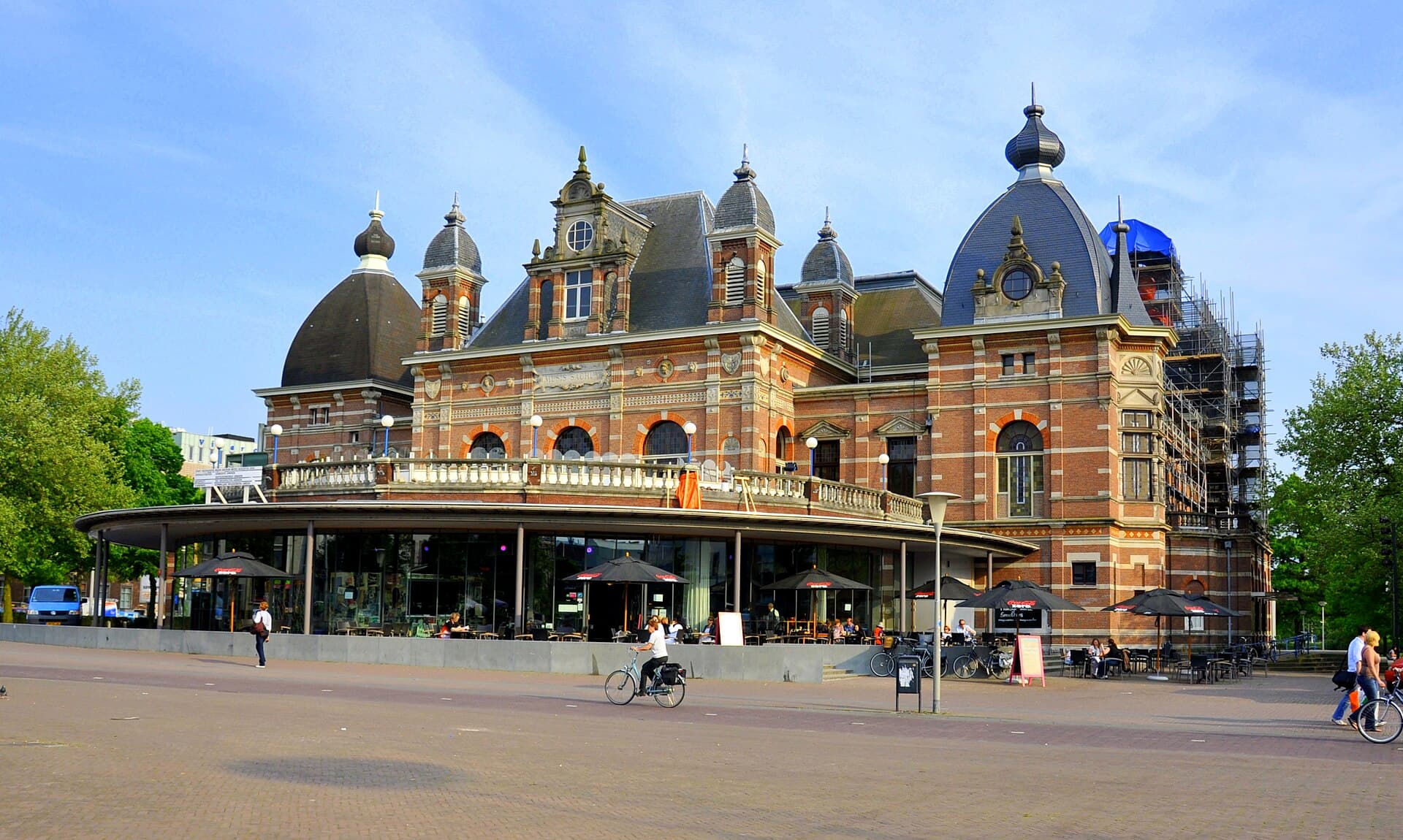 Marikit Louppen / CC BY-SA 3.0, via Wikimedia Commons
“Where echoes of the past meet the pulse of modern life.”
Not the postcards. The stories even locals don't know — whispered in your ear, right where they happened.
Beneath Arnhem's lively streets, a secret network once hummed with medieval commerce.
Arnhem holds one of the Netherlands' oldest surviving houses, once exchanged for a single guilder.
Arnhem maintains a distinction in Dutch public transport found nowhere else in the country.
Discover every secret of Arnhem
Every address, every reveal in full — in your ear, right where it happened.
You pick your stops. You walk. The voice reveals what the others miss.
No tours available yet. Check back soon — we're preparing them.
Arnhem, the capital of the Gelderland province, rests along the Nederrijn and Sint-Jansbeek rivers. It is a city that gracefully intertwines a poignant past with a forward-looking, creative spirit, offering visitors a multifaceted experience. While globally recognized for its pivotal role in World War II, particularly the Battle of Arnhem, the city has meticulously rebuilt itself into a contemporary, cosmopolitan center.
Beyond its historical weight, Arnhem is celebrated for its expansive green spaces, including the esteemed Sonsbeek Park, and its unique position as a gateway to the Veluwe region. The city also cultivates a dynamic arts and fashion scene, with the prestigious ArtEZ Institute of the Arts contributing to its reputation as a growing fashion capital. Whether drawn to wartime narratives, serene natural landscapes, or contemporary culture, Arnhem provides an authentic slice of Dutch life.
The earliest evidence of human activity around Arnhem dates back approximately 70,000 years, with firestones used by Neanderthals discovered in the area. A hunters' camp from around 5000 BC and ancient burial mounds from 2400 BC further illustrate early settlements. The city itself began to take shape around 1500 BC, with an initial settlement found on the Hoogkamp, and by 700 BC, people had settled near the Sint-Jansbeek river. Arnhem was not originally built directly on the Rhine but rather higher along the Sint-Jansbeek, only becoming situated on the river when its flow was altered in 1530.
During the Middle Ages, Arnhem developed at a strategic crossroads where routes between Nijmegen, Utrecht, and Zutphen diverged. In 1443, the city joined the Hanseatic League, a powerful medieval commercial and defensive confederation, which significantly shaped its development as a vital trading hub. The 16th century saw Arnhem fall under the control of Emperor Charles V in 1543. It later became part of the Dutch Republic after being captured from the Spanish in 1585 during the Eighty Years' War.
Arnhem is most famously known for the Battle of Arnhem, a pivotal and tragic event during World War II. As part of Operation Market Garden, launched in September 1944, Allied forces aimed to seize crucial bridges over major rivers in the Netherlands to create a route into Germany. The Rhine Bridge at Arnhem was a key objective, intended to be captured and held by British and Polish airborne troops until ground forces arrived. However, the operation faced numerous challenges, including unexpectedly strong German resistance, communication issues, and paratroopers landing several miles from their objectives, which proved to be "a bridge too far." The battle, fought from September 17 to 26, 1944, resulted in heavy Allied casualties and the effective destruction of the British 1st Airborne Division. The failure meant the liberation of the northern Netherlands was delayed, leading to the devastating "Hunger Winter" of 1944.
Arnhem was finally liberated in April 1945 by a combined British and Canadian operation. The city, extensively damaged during the fighting, underwent a significant reconstruction period that lasted until 1969. Today, Arnhem dedicates September to commemorating the Battle of Arnhem, with events attracting veterans and their families from around the world.
Arnhem offers a range of attractions that cater to diverse interests. For those keen on history, the John Frost Bridge stands as a poignant reminder of the Battle of Arnhem, a site that inspired the film A Bridge Too Far. Nearby, the Airborne Museum Hartenstein provides an in-depth look at the battle, while Airborne at the Bridge offers a brief impression of the heavy fighting that took place at the bridge itself.
Those who appreciate nature will find Sonsbeek Park appealing, a large urban park with a watchtower, The Belvédère, and the Steile Tuin (Steep Garden). Just outside the city, the Hoge Veluwe National Park offers extensive woodlands, heathlands, and sand dunes, with free white bicycles available for exploration. Within the park, the Kröller-Müller Museum houses the world's second-largest collection of Van Gogh paintings, alongside modern sculpture.
For a journey through Dutch cultural history, the Netherlands Open Air Museum showcases authentic heritage buildings and demonstrations of traditional crafts. Art lovers can also visit Museum Arnhem, known for its collection of 20th-century realism and contemporary art, including a sculpture garden.
Families often enjoy Burgers' Zoo, which features diverse ecosystems like tropical rainforests, deserts, and savannas. The city center itself, recognized as the 'Best Innercity' in the Netherlands in 2007 and 2009, provides a pleasant pedestrian-friendly environment for shopping and dining.
The ideal time to visit Arnhem is during the spring and summer months, from April to September. During this period, the weather is mild and pleasant, perfect for exploring the city's parks, outdoor museums, and riverside areas. Summer, particularly from late June to early September, offers the warmest temperatures, with July being the hottest month. Autumn brings beautiful foliage to the surrounding forests, while winter offers a festive atmosphere with various indoor cultural events. September is particularly significant for the Airborne commemorations, which draw visitors globally.
Arnhem is well-connected and easy to navigate. Amsterdam's Schiphol Airport (AMS) is the most common entry point, with direct train links to Arnhem taking approximately 1 hour and 15 minutes. Eindhoven Airport (EIN) is also an option, though the bus and train journey to Arnhem is longer, around 1 hour and 40 minutes.
Within Arnhem, public transportation is efficient, featuring a network of buses and trolleybuses—Arnhem is the only Dutch city with a trolleybus system. The central train station is a major hub, located within a 5-minute walk of the city center. Cycling is a popular and excellent way to get around, with bike rentals available near the train station. The city center is pedestrian-friendly, making walking a pleasant way to explore. For drivers, paid parking is available in the city center, and a free park-and-ride option is offered at Transferium Gelredome with bus connections to the center. The local currency is the Euro, and credit cards are widely accepted, though carrying some cash for smaller purchases is advisable. While generally safe, it's wise to be aware of your surroundings, particularly in certain areas around Central Station and Musispark at night.