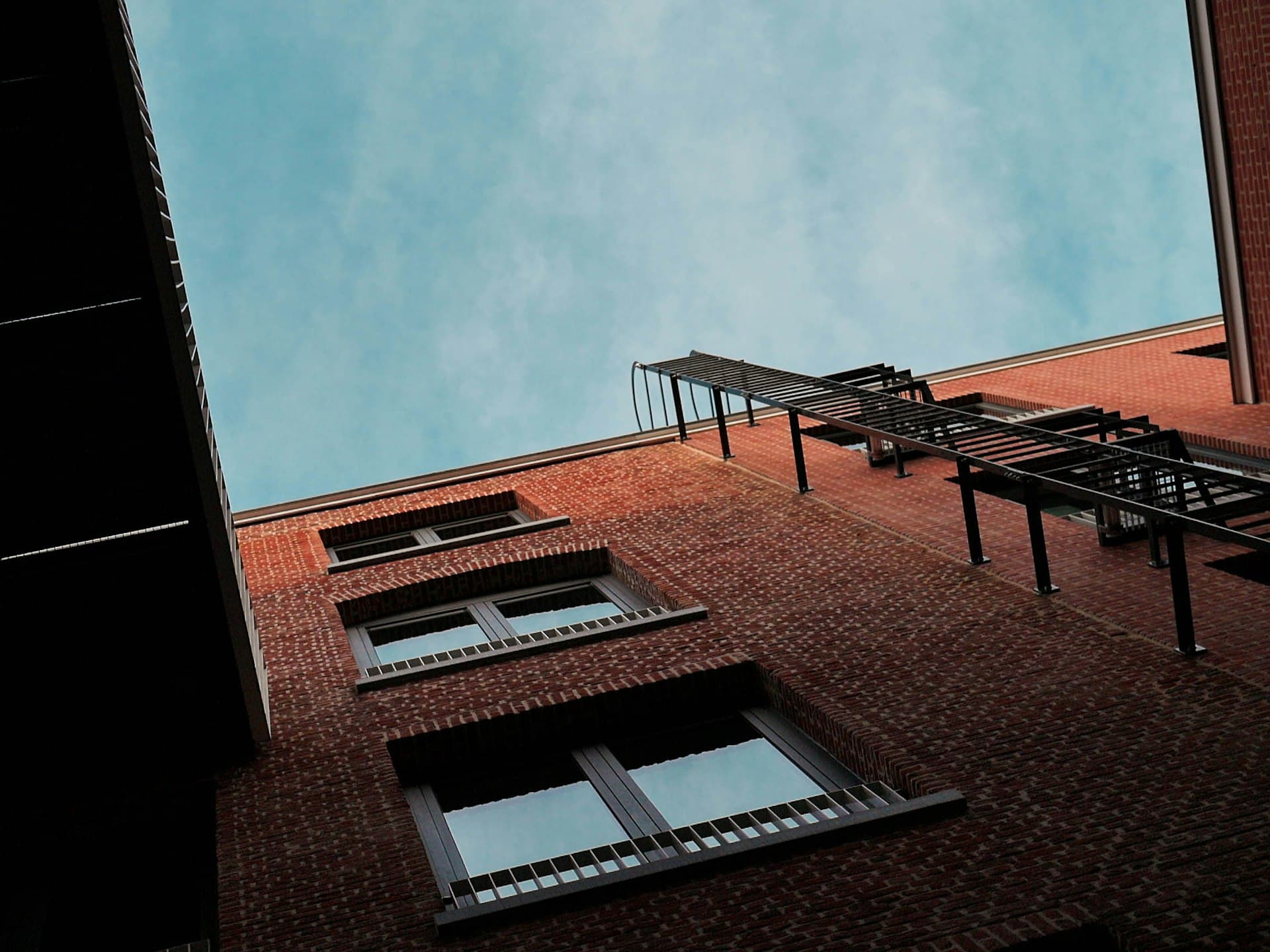
AnversPhoto: xandro Vandewalle / Unsplash
BE

Anvers

Antwerp: Where diamonds gleam, art flourishes, and history unfolds in ancient lanes.

The secrets of Anvers

Anvers, as no one tells it.

Not the postcards. The stories even locals don't know — whispered in your ear, right where they happened.

3 secrets below. Many more wait inside the tour.
Vlaeykensgang Alley

Stepping into this narrow, brick-lined alley feels like a journey to an earlier century, a quiet pause from the city's activity. What secret does this medieval passage hold beyond its charming appearance?

Full story unlocks in the tour
Het Steen

Antwerp's oldest standing structure, a fortress by the water, now serves as the city's visitor center. While one might anticipate a typical museum, a less common experience awaits.

Full story unlocks in the tour
The Ruien

Beneath Antwerp's active streets lies an old network of canals and sewers. You might walk above them daily, unaware of the surprising history flowing below.

Full story unlocks in the tour
The full tour

Discover every secret of Anvers

Every address, every reveal in full — in your ear, right where it happened.

Get the key to Anvers

You pick your stops. You walk. The voice reveals what the others miss.

Choose your time

How long do you have in Anvers?

No tours available yet. Check back soon — we're preparing them.

About Anvers

The story of Anvers

Antwerp (Antwerpen in Dutch, Anvers in French) is Belgium's second-largest city, a dynamic center where historical depth meets a contemporary spirit. Situated on the Scheldt River, it has long been a crucial port city, connecting the heart of Flanders to the North Sea. This unpretentious metropolis, often less overtly tourist-focused than its neighbors, offers a compelling blend of medieval grandeur, avant-garde fashion, and a thriving diamond trade.

From its origins as a Gallo-Roman settlement, Antwerp grew into a major European trading center, experiencing a "Golden Age" in the 16th century that left a lasting mark on its architecture and artistic legacy. Today, its pedestrian-friendly historic core invites exploration, revealing a city that feels both deeply rooted in its past and energetically forward-looking. Whether you are drawn to world-class museums, the allure of diamonds, or simply the character of its ancient lanes and welcoming cafes, Antwerp presents a distinctive Belgian experience.

History

A City Forged by Trade and Art

Antwerp's narrative is closely tied to its strategic position on the Scheldt River, which propelled its rise as a commercial powerhouse. By the 14th century, it was one of Europe's most important trading centers, eventually surpassing Bruges in economic prominence during the 15th century. This era saw the establishment of the world's first stock exchange in 1531, solidifying Antwerp's role as a financial hub. The city's port, now the second-largest in Europe, continues to be a vital economic engine.

The 16th century marked Antwerp's "Golden Age," a period of immense wealth and cultural flourishing. This was the era of master painter Peter Paul Rubens, whose works remain a source of immense pride for the city and are displayed in its cathedral and museums. Beyond Rubens, Antwerp became a center for printing and humanism, attracting artists, philosophers, and scientists. The city's prosperity, however, was dramatically interrupted by the Spanish conquest in 1585 and the subsequent Dutch blockade of the Scheldt, leading to a significant decline.

Antwerp's resilience is evident in its subsequent rebirth. The reopening of the Scheldt in the 19th century, coupled with the Industrial Revolution, breathed new life into the city. A new economic engine emerged in the diamond trade, an industry with roots stretching back centuries in Antwerp. Since the 16th century, Antwerp has been the international center for diamond cutting and dealing, with the Diamond Quarter adjacent to the Central Station remaining a global hub. Today, the city also stands as a recognized center for avant-garde fashion, home to the Royal Academy of Fine Arts and the influential "Antwerp Six" designers. This blend of historical depth and modern creativity gives Antwerp its unique and compelling character.
What to see

Begin your exploration at the Grote Markt, Antwerp's main square and historical core. Here, the ornate 16th-century City Hall, a UNESCO World Heritage site, stands alongside guild houses, and the Brabo Fountain depicts the legend of the city's origin. A short walk leads to the Cathedral of Our Lady, a monumental Gothic structure housing several Rubens masterpieces.

For art enthusiasts, the Rubens House (currently undergoing renovation) was the artist's home and studio. The Royal Museum of Fine Arts (KMSKA), recently reopened after extensive renovation, is another prestigious art institution. Delve into the city's printing heritage at the Plantin-Moretus Museum, a UNESCO World Heritage site showcasing early printing presses and workshops.

Do not miss the Museum aan de Stroom (MAS), which offers displays on Antwerp's history of trade and cultural exchange, topped with a panoramic rooftop viewpoint. For a distinct historical perspective, the Red Star Line Museum tells the story of emigrants who departed from Antwerp for the New World. The Antwerp Central Station itself is a remarkable sight, often considered one of the world's most beautiful train stations with its Baroque Revival architecture. Nearby, the Diamond District offers a glimpse into the city's glittering trade. For a different kind of stroll, the Sint-Annatunnel, also known as the pedestrian tunnel, opened in 1933 and offers a unique underground passage with old-school wooden escalators and views of the city skyline upon exit.

When to visit

Antwerp is a year-round destination, each season offering a distinct experience. The shoulder seasons of late spring (May–June) and early autumn (September) are often considered ideal, providing mild weather, longer daylight hours, and moderate crowds. Temperatures during these periods typically range from 18-21°C (65-70°F).

Summer (July–August) brings warm days, averaging 22-25°C (72-77°F), and a lively atmosphere with open-air cafes and festivals. However, July can also be one of the rainiest months, so a light rain jacket is advisable. Winter (December–February), while colder and greyer, has its own character, especially with the Christmas markets in December. January and February are generally the least expensive months to visit, with fewer crowds and potential deals on flights and hotels.

Practical

Antwerp is a highly walkable city, with most major attractions close to each other. For sights further afield, the efficient De Lijn public transport system operates buses and trams throughout the city. Tickets can be purchased via mobile apps, vending machines, or on board. The Velo bike-sharing network is also a convenient option for getting around.

The official language is Dutch, but English is widely spoken, especially in tourist areas. Learning a few basic Dutch phrases like "Hallo" (Hello) and "Dank u" (Thank you) is always appreciated. The currency used is the Euro (€).

If arriving by car, be aware of new parking rules; only residents with permits can park in the historic center. It is recommended to use one of the free P+R (Park and Ride) facilities on the outskirts of the city, which offer quick connections to the center via tram, bus, or bicycle. Public pay parking lots are also available and often less expensive than street parking. Antwerp also operates a low-emission zone, so check if your vehicle is permitted before driving into the city center.

Good to know
Is Antwerp worth visiting?
Yes, Antwerp is often considered one of Belgium's most appealing cities, offering a rich blend of history, culture, and cuisine without the crowds of Bruges.
How many days do I need in Antwerp?
You can see the main points of interest in one day, but 2-3 days allow for a more relaxed and authentic exploration of the city and its museums.
Is Antwerp a walkable city?
Yes, Antwerp is very walkable, with most major attractions located close to each other, making it easy to explore on foot.
What is Antwerp known for?
Antwerp is recognized for its historic core, forward-thinking fashion scene, significant diamond district, and rich artistic heritage, particularly its connection to Peter Paul Rubens.
What is the best time to visit Antwerp?
The best time to visit is from late spring to early autumn (April to October) for pleasant weather and lively city events.
Is English widely spoken in Antwerp?
Yes, while Dutch is the official language, many locals, especially in tourist areas, are fluent in English.
Anvers
From€9.00
No booking · activate anytime · 12h to walk it
Get the key to Anvers