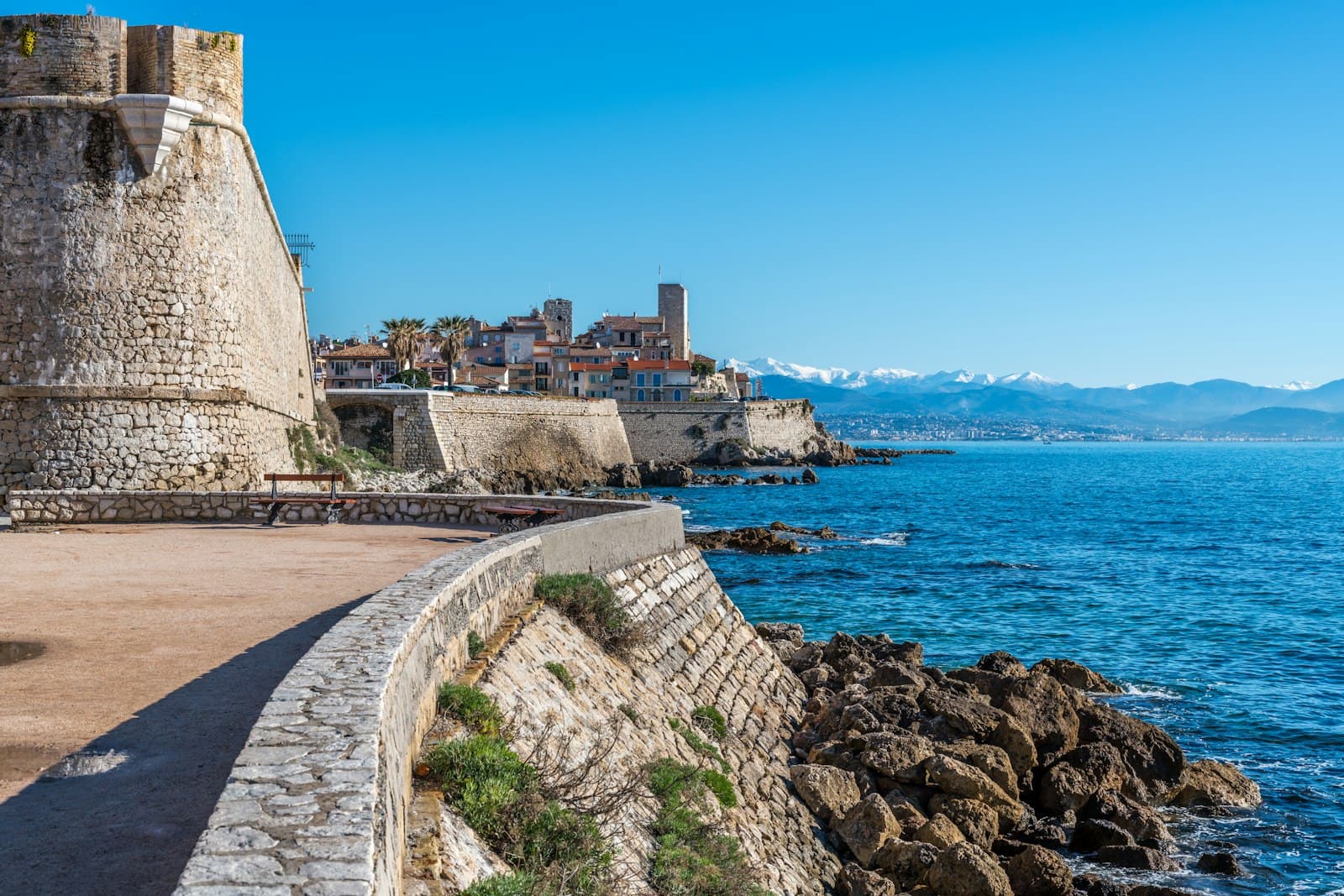
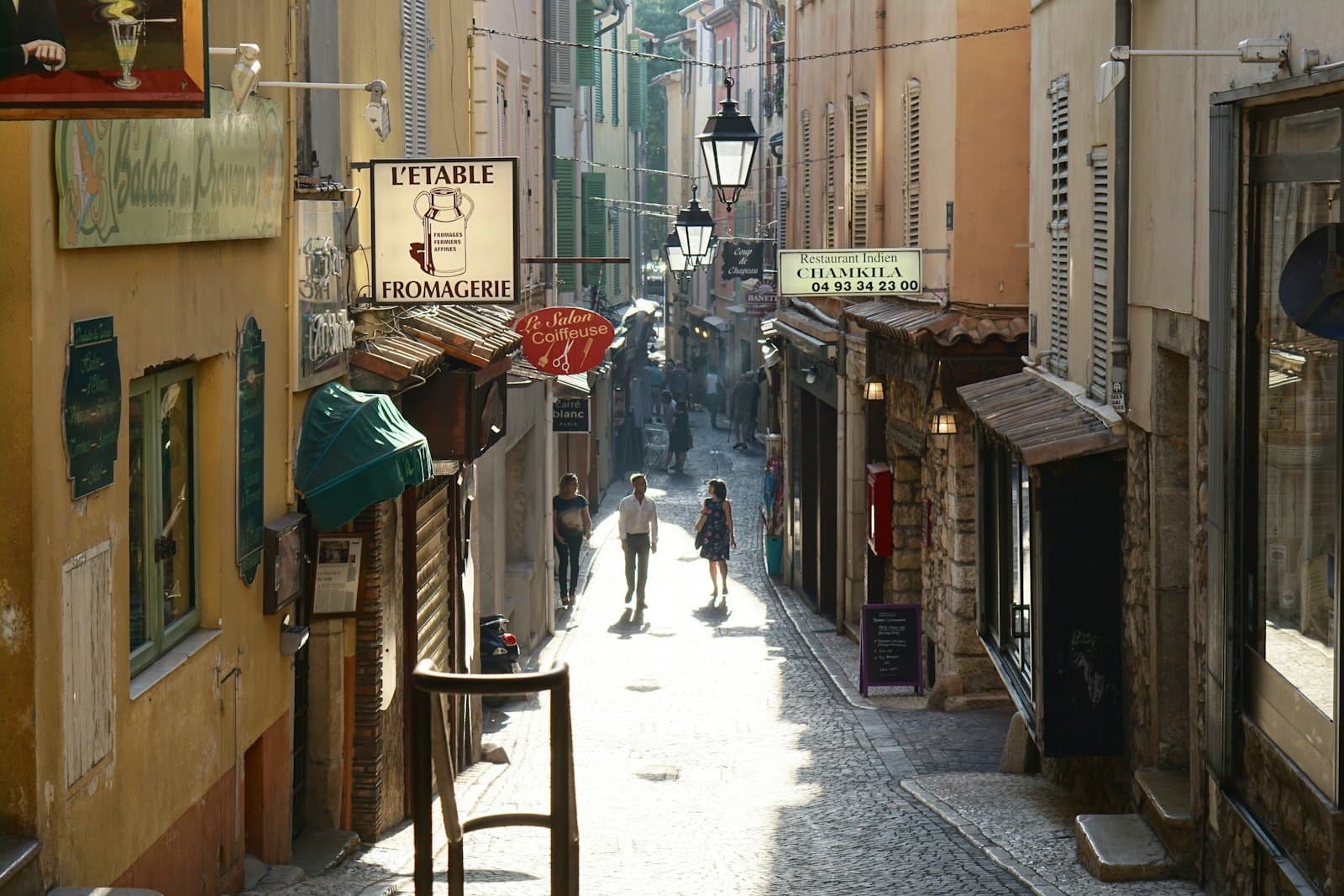
Antibes, FranceGilbert Bochenek / CC BY 3.0, via Wikimedia Commons
FR

Antibes

A walled Greek town with a billionaires' harbour, where Picasso painted and Napoleon was once a prisoner.

The secrets of Antibes

Antibes, as no one tells it.

Not the postcards. The stories even locals don't know — whispered in your ear, right where they happened.

3 secrets below. Many more wait inside the tour.
Château Grimaldi (Musée Picasso)

In 1946 a curator handed Picasso the keys to an entire seafront castle and told him to use it as a studio. The rent was unusual.

Full story unlocks in the tour
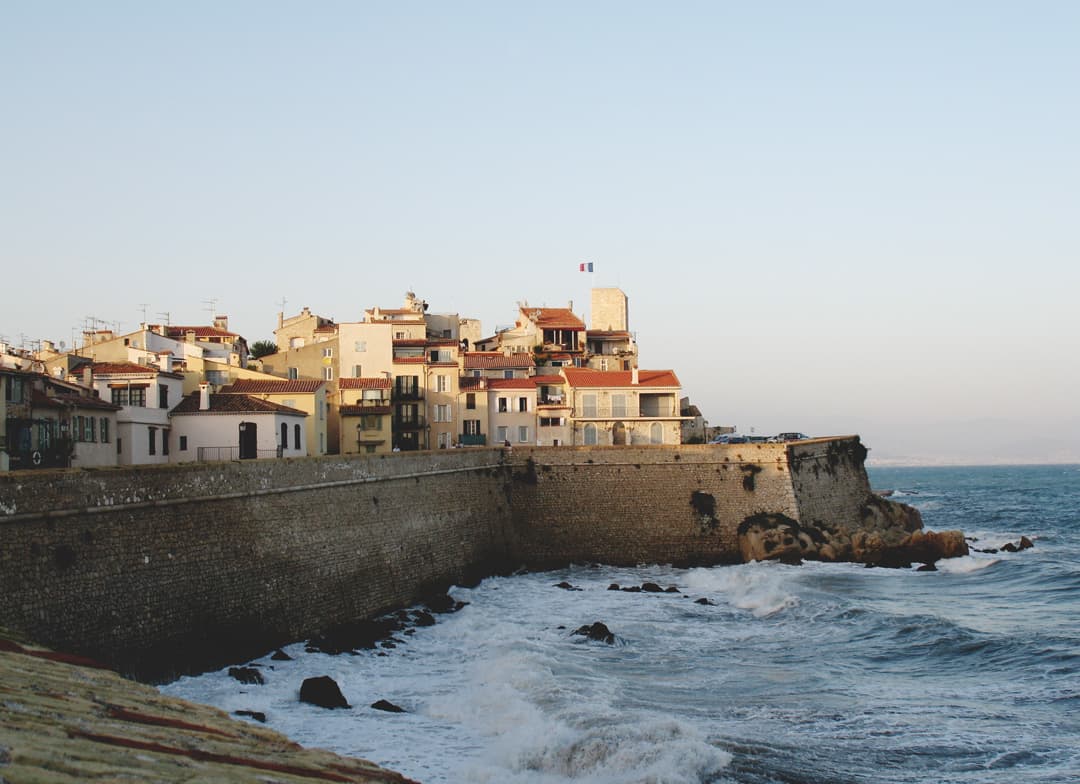
Fort Carré

The four-pointed star fort above the harbour once held a 24-year-old artillery officer in a cell. Ten days later he walked out a free man.

Full story unlocks in the tour
Résidence des Fleurs, Avenue Pasteur

One of the most famous English novelists alive spent his last 25 years in a one-bedroom flat here — then published a pamphlet that got banned in France.

Full story unlocks in the tour
The full tour

Discover every secret of Antibes

Every address, every reveal in full — in your ear, right where it happened.

Get the key to Antibes

You pick your stops. You walk. The voice reveals what the others miss.
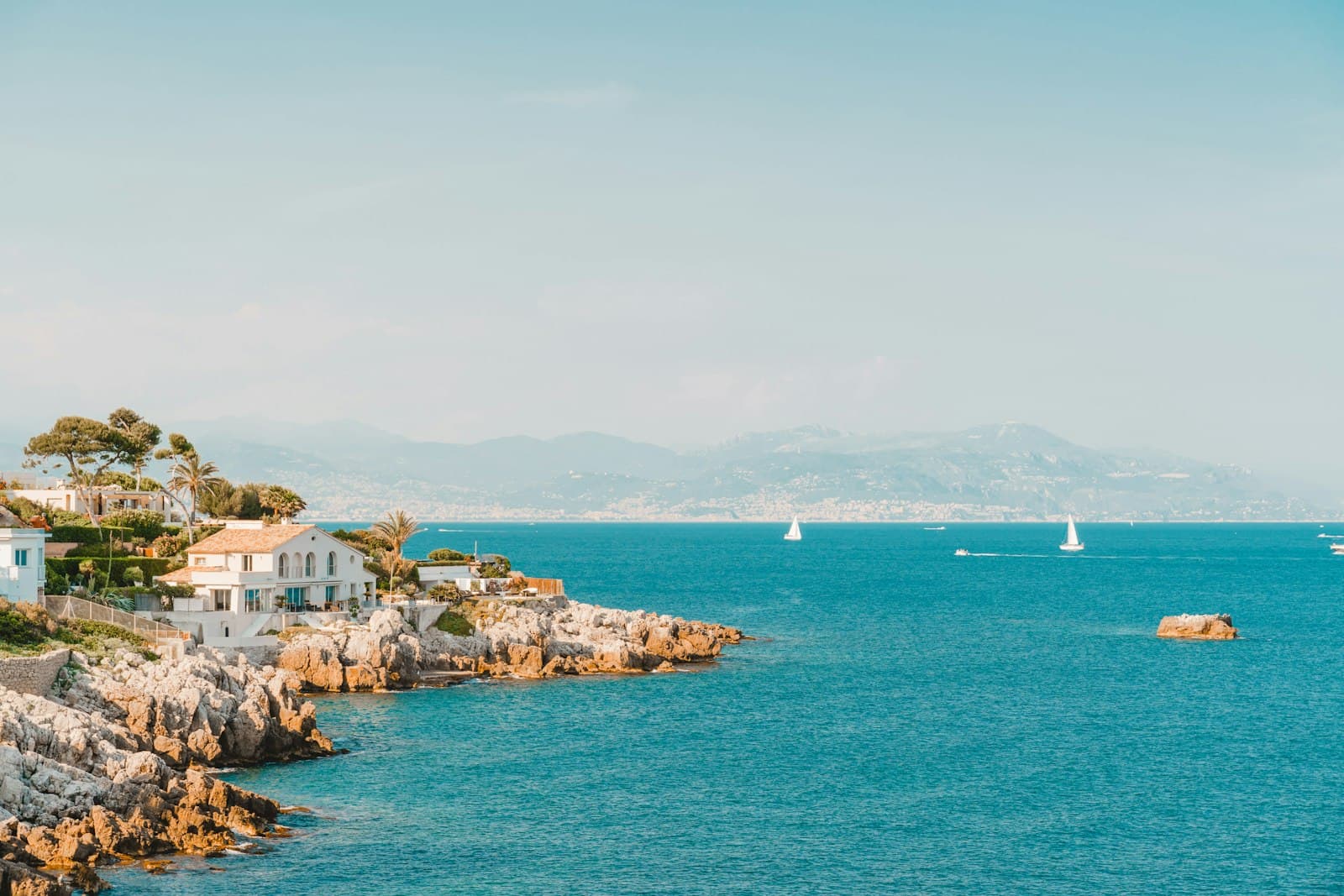
Antibes — white and brown rock formation on sea under blue sky during daytime
Photo: Anthony Salerno / Unsplash
Antibes — brown concrete building near sea during daytime
Photo: Jane Ackerley / Unsplash
Antibes — people walking between buildings
Photo: Reuben Mcfeeters / Unsplash
Choose your time

How long do you have in Antibes?

No tours available yet. Check back soon — we're preparing them.

About Antibes

The story of Antibes

Antibes hides in plain sight on the French Riviera, between glossy Cannes and busy Nice, and most people drive past it. They shouldn't. Behind a ring of honey-coloured ramparts sits one of the oldest towns on this coast — a Greek port turned French frontier fortress turned painters' refuge — and just outside the walls, the largest yacht harbour in Europe.

This is a town of doubles. A medieval old town and a billionaires' quay. A market that still feeds locals and a museum that holds Picassos he painted on the spot. Walk it and you keep crossing the same line the Greeks drew 2,400 years ago, looking across the bay at the rival city they named themselves against.

History

Greek settlers from Marseille founded the port in the 4th century BC and called it Antipolis — 'the city opposite' — because it faced their other colony, Nikaia (today's Nice), across the Var estuary. Rome inherited it, and the harbour has been in use, more or less continuously, since before the Roman Empire.

For centuries Antibes was a border town: France on one bank of the Var, the Savoy-ruled County of Nice on the other. Spanish troops sacked it in the 1520s and 1530s, which is why the kings of France fortified it so heavily. Henri III added the four bastions of the Fort Carré in 1565, and in the 1680s Louis XIV's engineer Vauban reinforced the town walls and harbour — the same harbour that now bears his name. The fortress did real work: in August 1794, a young artillery officer named Napoleon Bonaparte was briefly imprisoned in the Fort Carré after the fall of Robespierre.

In the 19th century the railway changed everything. Antibes shipped fresh winter flowers — carnations above all — north to Paris and London, and the coast filled with villas. By the 20th century the town had become a refuge for artists and writers: Monet wrestled with its light in 1888, Picasso set up a studio in the seafront castle in 1946, and Graham Greene and Nikos Kazantzakis both chose to live and write here.

What to see
  • Musée Picasso (Château Grimaldi) — the medieval castle where Picasso worked in autumn 1946, now holding the 23 paintings and 44 drawings he left behind. The terrace over the sea is half the visit.
  • The old town and the Marché Provençal — the covered market under its iron-and-glass hall on Cours Masséna, busiest in the morning. Provençal produce, olives, socca and flowers.
  • The ramparts and the sea wall — walk the line where the old town meets the Mediterranean, the same view Monet painted and Kazantzakis lived above.
  • Fort Carré — the four-pointed star fort on its rock above the harbour, with a panorama back over the masts and the old town.
  • Port Vauban and the Quai des Milliardaires — Europe's largest marina; stroll the quays to see superyachts longer than 100 metres.
  • Cap d'Antibes — the wooded peninsula of grand villas, the Sentier du Littoral coastal path, and the legendary Hôtel du Cap-Eden-Roc.
When to visit

Antibes works almost year-round thanks to a mild Mediterranean climate. Spring (April–June) is the sweet spot: warm, the market at its best, the sea path green, and the worst of the crowds still ahead.

July and August are hot, lively and expensive — this is also when Jazz à Juan fills nearby Juan-les-Pins (the festival has run every July since 1960) and the superyachts crowd Port Vauban. Expect packed beaches and high prices.

September and early October give you warm sea and thinner crowds. Winter is quiet and soft-lit — the same light that 'beat' Monet — though some restaurants and sights keep shorter hours. Note the market is closed on Mondays for much of the year.

Practical
  • Getting there: Antibes is on the main coastal rail line between Cannes and Nice; trains are frequent and the station is a short walk from the old town. Nice Côte d'Azur airport is about 20–25 km away.
  • Getting around: The old town and port are best on foot. Cap d'Antibes is large — a bike, bus or car helps, and the coastal footpath (Sentier du Littoral) is walkable in sections.
  • Money: A Lume audio walk is a flat 9€ per city. The Marché Provençal and old-town cafés are cash-friendly; cards are widely accepted.
  • Markets: The covered Marché Provençal runs mornings (roughly 7:30am–1pm, later in summer), closed Mondays outside high season.
  • Etiquette: A simple bonjour before you ask anything is expected and rewarded. Many in the marina trade speak English.
  • Time needed: A full old-town day, or a relaxed weekend if you add Cap d'Antibes and a beach.
Good to know
Why is the town called Antibes?
Greek settlers from Marseille founded it in the 4th century BC and named it Antipolis, 'the city opposite', because it sat across the Var estuary from their other colony, Nikaia — modern Nice. The name is essentially a geographic nod to its old rival across the bay.
Did Picasso really paint in Antibes?
Yes. From mid-September to mid-November 1946, Picasso used rooms in the Château Grimaldi as a studio, offered by curator Romuald Dor de la Souchère. When he left he donated 23 paintings and 44 drawings, which became the founding collection of the Musée Picasso — the first museum dedicated to him while he was still alive.
Is Port Vauban really the biggest marina in Europe?
Yes. Port Vauban is Europe's largest marina, with more than 1,500 berths on a natural harbour used since before Roman times. Its Quai des Milliardaires (Billionaires' Quay) hosts superyachts well over 100 metres long, and berths there have been valued in the millions of euros.
Was Napoleon imprisoned in Antibes?
Briefly, yes. In August 1794, shortly after the fall of Robespierre, the young officer Napoleon Bonaparte was arrested as a Jacobin sympathiser and held in the Fort Carré for about ten days before being released. He went on, of course, to rather more.
What's the best time of year to visit Antibes?
Spring (April to June) and September offer warm weather, a lively market and fewer crowds than midsummer. July and August are hottest and busiest, coinciding with the Jazz à Juan festival in Juan-les-Pins and the peak superyacht season. Winters are mild and quiet, though some hours shorten.
How do I get to Antibes and around it?
Antibes sits on the coastal railway between Cannes and Nice, with frequent trains and a station near the old town; Nice airport is about 20–25 km away. The old town and Port Vauban are easy on foot, while Cap d'Antibes is better reached by bike, bus or car, with a scenic coastal footpath for walkers.
Antibes
From€9.00
No booking · activate anytime · 12h to walk it
Get the key to Antibes