Amphawa Floating Market
This is more than a market; it’s a culinary display where the grill floats on the water.
Full story unlocks in the tour
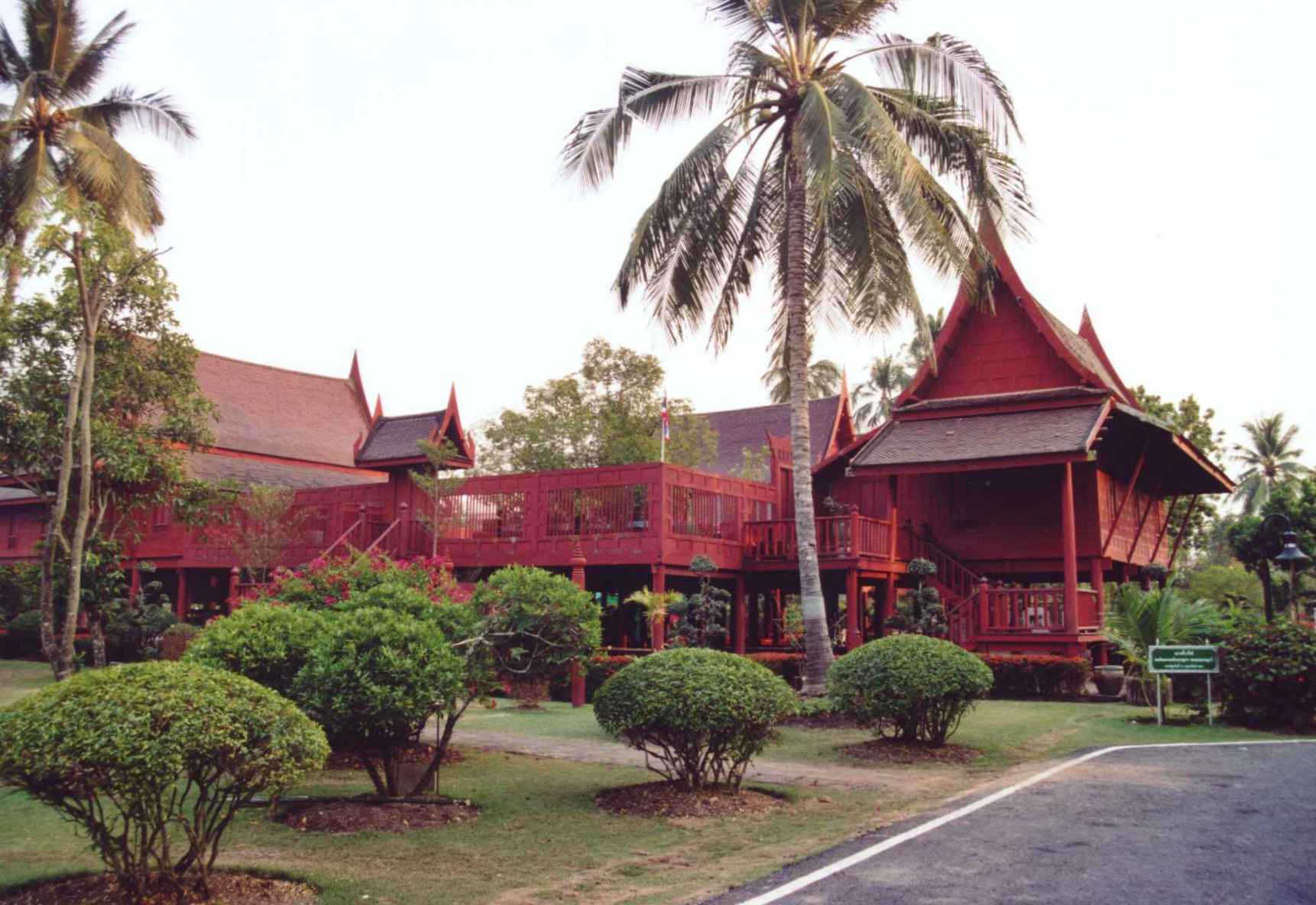 Ahoerstemeier / CC BY-SA 3.0, via Wikimedia Commons
“Where canals hum and fireflies drift at dusk.”
Not the postcards. The stories even locals don't know — whispered in your ear, right where they happened.
This is more than a market; it’s a culinary display where the grill floats on the water.
Beyond its dedication to a king, this park reveals insights into Thai identity.
The sweetness of Amphawa permeates more than its desserts; it fills the very air and underpins the local economy.
Discover every secret of Amphawa
Every address, every reveal in full — in your ear, right where it happened.
You pick your stops. You walk. The voice reveals what the others miss.
No tours available yet. Check back soon — we're preparing them.
Amphawa, a district in Thailand's Samut Songkhram province, offers a window into a traditional Thai riverside community. Located approximately 90 kilometers southwest of Bangkok, it serves as a cherished escape, recognized for its authentic floating market and a slower rhythm of life.
The town is interlaced with canals that branch from the Mae Klong River, forming a unique water-based settlement that has flourished since the 17th century. While many floating markets now cater extensively to visitors, Amphawa retains a more local character, particularly with Thai visitors arriving on weekends to enjoy its centuries-old wooden houses and distinctive snacks.
Beyond the active market, Amphawa invites exploration of its calm canals, productive fruit orchards, and cultural locations, creating a destination that blends culinary pleasures with historical depth.
## A Water-Based Legacy Amphawa, originally named Khwaeng Bang Chang, possesses a documented history as a lively water-based settlement since the mid-17th century during the reign of King Prasat Thong in the Ayutthaya period. The community thrived through agriculture and trade, due to its strategic location on the banks of the Mae Klong River, which connects to the Gulf of Thailand.
## Royal Connections Amphawa holds a significant place in Thai history as the birthplace of King Rama II (King Phutthaloetla Naphalai), a monarch of the current Chakri dynasty, who was born there in 1766. His mother was a native of Amphawa, and the King Rama II Memorial Park now stands on his probable birthplace, honoring his advocacy for Thai arts and culture.
## Evolution of the Market While floating markets experienced a decline in popularity as Thais transitioned to more land-based markets, Amphawa's market saw a resurgence much later. By 2000, the community had largely diminished, with many houses in disrepair and active residents moving to cities. However, Amphawa retained its identity with traditional wooden houses and temples. Rapid tourism growth in 2005 and 2006, spurred by national exhibitions, helped revitalize the area, converting many buildings for cultural tourism and restoring residences.
## Preserving Authenticity Today, Amphawa is celebrated for its efforts in preserving local culture and architecture. It is often considered more authentic than other floating markets, drawing large numbers of Thai visitors on weekends who come to experience a taste of yesteryear. The market's appeal comes from its rows of centuries-old wooden houses and an atmosphere that reflects a traditional Thai way of life.
The primary draw in Amphawa is the Amphawa Floating Market, best experienced in the late afternoon and evening on weekends (Friday to Sunday) when it is alive with activity. Here, you can stroll along the canal banks, browse shops offering handicrafts and souvenirs, and sample a wide array of Thai street food and desserts, including fresh seafood grilled on boats.
An evening firefly boat tour along the Mae Klong River offers a magical experience, especially during the rainy season (May to October) or on moonless nights when the fireflies are most active. These tours typically begin around 6:00 PM and last about an hour.
Close to the floating market is the King Rama II Memorial Park, a tribute to King Phutthaloetla Naphalai and his contributions to Thai arts and culture. The park features traditional Thai houses, a museum displaying artifacts from the early Rattanakosin era, and a botanical garden. It is open daily from 8:30 AM to 5:00 PM and has a modest entrance fee.
For a different market experience, consider a trip to the nearby Maeklong Railway Market, known for stalls set up directly on active train tracks, which are swiftly cleared when a train approaches. This market is about a 15-minute drive from Amphawa. You can also visit the Amphawa Chaipattananurak Conservation Project, which promotes local knowledge and preserves traditional ways of life, offering agricultural demonstrations and community shops.
The Amphawa Floating Market operates from Friday to Sunday, typically from 2:00 PM to 9:00 PM. Saturdays are generally the most active and crowded, with more stalls and boats open late into the evening. Visiting in the late afternoon and evening is recommended to fully absorb the market's atmosphere and witness the sunset.
The most favorable time of year to visit Amphawa, in terms of weather, is during the cool, dry season from November to February. The rainy season, from May to October, sees fewer visitors and offers a greater chance of seeing fireflies, particularly on moonless nights.
Amphawa is approximately 90 kilometers from Bangkok, a journey that typically takes 1.5 to 2 hours. You can arrive in Amphawa by minivan from Bangkok's Southern Bus Terminal (Sai Tai Mai) or the new Chatuchak minibus station (Morchit New Van Terminal). Mini-vans cost around 70 THB. Alternatively, a taxi from Bangkok can cost at least 1500 Baht for a round trip.
Admission to the Amphawa Floating Market is free. Boat tours, including firefly watching, are available for around 50-60 THB per person for a shared tour, or 500 THB for a private tour. While credit cards may not be widely accepted, cash is preferred by many vendors. There are various guesthouses and homestays available, with some offering riverside views, making an overnight stay on a weekend highly recommended to fully experience the local character.