Alleppey's Coir Industry
The calm backwaters of Alleppey safeguard the methods of a centuries-old industry, transforming a common natural fiber into a global commodity.
Full story unlocks in the tour
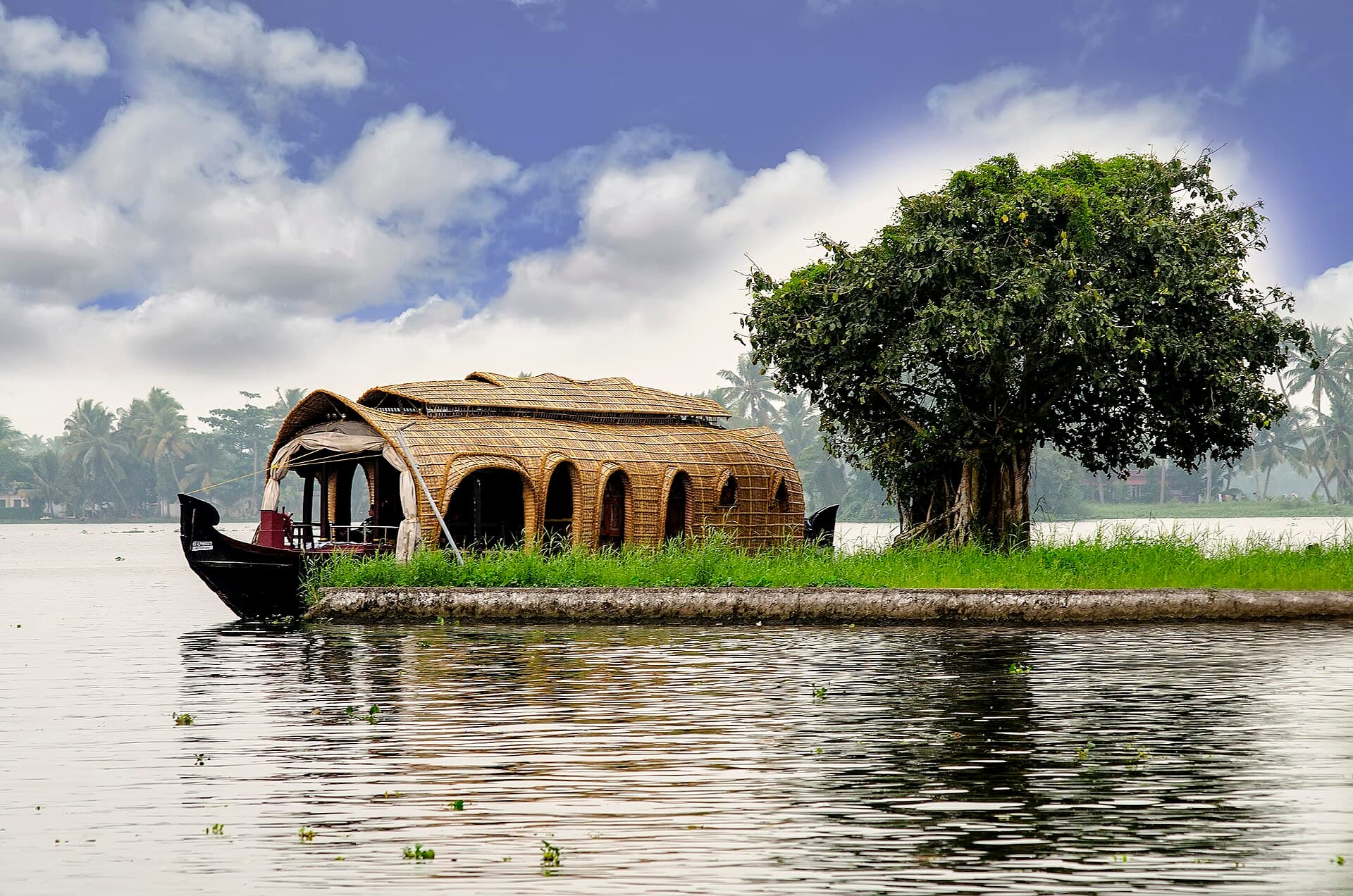 Augustus Binu/ facebook / CC BY-SA 3.0, via Wikimedia Commons
“Where emerald backwaters meet a lively coastal existence.”
Not the postcards. The stories even locals don't know — whispered in your ear, right where they happened.
The calm backwaters of Alleppey safeguard the methods of a centuries-old industry, transforming a common natural fiber into a global commodity.
The most celebrated event on Alleppey's waters has an unexpected beginning, involving a former Prime Minister and a spontaneous burst of elation.
Beyond the peaceful backwaters, Alleppey offers a distinctive culinary journey in modest establishments where a local drink takes center stage.
Discover every secret of Alleppey
Every address, every reveal in full — in your ear, right where it happened.
You pick your stops. You walk. The voice reveals what the others miss.
No tours available yet. Check back soon — we're preparing them.
Alleppey, officially known as Alappuzha, is a captivating coastal town in the southern Indian state of Kerala, often celebrated as the 'Venice of the East.' This moniker, reportedly coined by Lord Curzon in the early 20th century, speaks to its intricate network of canals, serene backwaters, and lagoons. The town serves as a gateway to Kerala's sprawling backwater system, a labyrinth of interconnected rivers, canals, lakes, and inlets that stretches over 900 kilometers.
Life in Alleppey unfolds along these waterways, where traditional houseboats, known as kettuvallams, glide past verdant paddy fields, swaying coconut palms, and small fishing villages. Visitors can immerse themselves in the tranquil beauty of the landscape, observe local life, and savor authentic Keralan cuisine prepared fresh on board. Alleppey offers a distinctive blend of natural splendor, cultural heritage, and water-based activities, making it a memorable destination for those seeking relaxation, adventure, or a deeper connection with Keralan traditions.
The history of Alappuzha, or Alleppey, extends back to ancient times. The region of Kuttanad, recognized as the 'rice bowl of Kerala' with its extensive paddy fields and waterways, was noted even during the Sangam age (6th century BC). Historical accounts indicate that Alleppey maintained trade relations with ancient Greece and Rome during the Middle Ages. Classical works by Pliny and Ptolemy from the 1st and 2nd centuries mention places like Purakkad or Barace, further highlighting the region's early importance.
Under the Second Chera Empire, from the 9th to the 12th centuries AD, the district experienced a period of cultural and religious flourishing. The 17th century saw the decline of Portuguese influence and the rise of the Dutch, who established a prominent presence in the district's principalities. The Dutch constructed factories and warehouses for storing commodities like pepper and ginger, a testament to Alleppey's role as a vital trading center. The town's intrinsic canal system was specifically developed to facilitate inland and sea trade.
The present-day town of Alleppey owes much of its development to Diwan Rajakesavadas in the latter half of the 18th century. Known as the 'Maker of modern Alleppey,' he transformed Alappuzha into a premier port town of Travancore, constructing roads, canals, and warehouses, and encouraging merchants and traders. The 19th century brought further progress, including the establishment of the first post office and telegraph office in the former Travancore state within the district. A significant milestone was the establishment of the first coir mat manufacturing factory in 1859 by James Darragh, an Irish-American entrepreneur. This marked the beginning of Alleppey's celebrated coir industry, which continues to flourish today.
The primary appeal of Alleppey lies in its extensive backwaters, best explored via a houseboat cruise. These kettuvallams offer overnight stays, allowing you to drift past paddy fields, coconut groves, and witness daily village life. For a more intimate experience of the narrower canals, consider a shikara boat ride or a traditional canoe trip.
Beyond the waterways, Alleppey Beach offers a pleasant setting for evening strolls and sunset views. The Alappuzha Lighthouse, a historic structure, provides wide views of the coastline. Cultural sites include the Ambalappuzha Sree Krishna Temple, known for its unique palpayasam (milk porridge) offering, and the Krishnapuram Palace, a museum showcasing traditional Kerala architecture and artifacts. The Arthunkal Church, one of Kerala's oldest churches built by Portuguese missionaries in the 16th century, is another significant religious site. Do not miss the opportunity to witness a traditional snake boat race, particularly the Nehru Trophy Boat Race on Punnamada Lake, held annually in August.
The most favorable time to visit Alleppey is during the cooler months, from October to March. During this period, the weather is pleasant with temperatures ranging from 17°C to 32°C, and the skies are clear, making it ideal for sightseeing and houseboat cruises. The backwaters are calm, and the surrounding paddy fields remain lush from the monsoon rains. While summer (March to May) brings higher temperatures and humidity, it can be a good option for budget travelers due to fewer crowds and discounted rates on houseboats and hotels. The monsoon season (June to September) transforms Alleppey into a verdant landscape with heavy rainfall, offering a unique, tranquil experience, though some outdoor activities might be limited.
Reaching Alleppey is convenient by road and rail. The Alappuzha Railway Station is within the city, with trains connecting from various parts of Kerala and other major Indian cities. Buses also provide extensive connectivity from across Kerala and neighboring states. The nearest airport is Cochin International Airport.
Once in Alleppey, navigating the backwaters is primarily done by various boat options: comfortable houseboats for overnight stays, smaller shikara boats for day trips through narrow canals, or traditional canoes for a more immersive experience. Public ferries also offer a budget-friendly way to explore. When booking a houseboat, confirm whether it's for a day trip or an overnight stay, as well as amenities like air conditioning, especially during warmer months.