Al Ain Oasis
The verdant Al Ain Oasis, a UNESCO World Heritage site, extends its modern influence beyond its ancient irrigation.
Full story unlocks in the tour
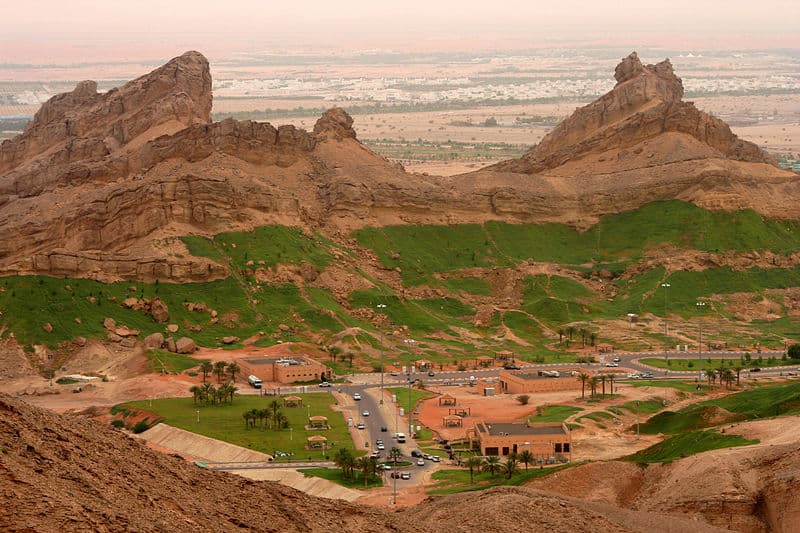 Shahinmusthafa Shahin Olakara / CC BY-SA 3.0, via Wikimedia Commons
“Where ancient oases meet desert mountains, revealing the enduring heart of Emirati heritage.”
Not the postcards. The stories even locals don't know — whispered in your ear, right where they happened.
The verdant Al Ain Oasis, a UNESCO World Heritage site, extends its modern influence beyond its ancient irrigation.
Driving up Jebel Hafeet offers expansive views, but the road itself holds a surprising international accolade.
This historic fort is recognized as the birthplace of a significant UAE leader, yet its restoration uncovered even older secrets.
Discover every secret of Al Ain
Every address, every reveal in full — in your ear, right where it happened.
You pick your stops. You walk. The voice reveals what the others miss.
No tours available yet. Check back soon — we're preparing them.
Al Ain, often called the "Garden City" of the UAE, offers a distinct contrast to the coastal metropolises of Dubai and Abu Dhabi. This inland oasis city, situated near the Oman border, is a vital hub of Emirati culture and heritage. Its landscape is characterized by fertile palm groves, ancient irrigation systems, and the imposing Jebel Hafeet mountain.
With a history stretching back over 4,000 years, Al Ain has long been a significant settlement, shaped by agriculture, trade, and family life. It is the second-largest city in the Emirate of Abu Dhabi and holds immense cultural importance within the United Arab Emirates. The city's commitment to preserving its past is evident in its UNESCO World Heritage Sites, which include oases, forts, and archaeological parks.
The history of Al Ain stretches back millennia, with the first settlements emerging over 4,000 years ago. Its existence and growth are intrinsically linked to the Buraimi Oasis, the largest in the region, which provided a crucial water source in the arid desert. Archaeological discoveries, such as the more than 500 tombs at the foot of Jebel Hafeet, date back approximately 5,000 years to the early Bronze Age, indicating a long history of human occupation.
Around 2500 BC, the Hili period culture developed, bringing with it the earliest evidence of agricultural villages and the sophisticated falaj irrigation system, which is still in use today. This ingenious network of underground and surface channels allowed agriculture to flourish, supporting tens of thousands of date palms and making the city a vital stop on ancient caravan routes across the Arabian Peninsula.
In the 19th century, forts like Al Jahili were constructed to protect the precious oases and water sources, highlighting the city's strategic importance. Al Ain also holds significant political weight as the birthplace of Sheikh Zayed bin Sultan Al Nahyan, the founding father and first President of the UAE. Following the UAE's independence in 1971, Al Ain experienced substantial growth and investment. Until Sheikh Zayed's passing in 2004, a municipal code limited building construction to four stories, with a few exceptions, contributing to the city's distinct low-rise character. In 2011, Al Ain became the UAE's first UNESCO World Heritage site, recognizing its cultural sites, ancient tombs, and irrigation systems.
Al Ain offers a blend of historical sites, natural beauty, and family-friendly attractions. A visit to the Al Ain Oasis, a UNESCO World Heritage site, provides a tranquil experience with its expansive palm groves and ancient falaj irrigation system. You can explore its shaded pathways on foot or by renting a bike.
Jebel Hafeet, the UAE's second-highest mountain, offers a scenic drive to its summit for expansive views of the city and surrounding desert, especially captivating at sunset. At its base, the Green Mubazzarah Park features hot springs and recreational facilities.
Delve into history at Al Jahili Fort, one of the largest forts in the UAE, known for its traditional Emirati architecture and cultural exhibitions. Qasr Al Muwaiji, another UNESCO-listed fort, served as the birthplace of Sheikh Khalifa bin Zayed Al Nahyan and offers insights into the ruling family's history. The Al Ain Palace Museum (also known as Sheikh Zayed Palace Museum) provides a glimpse into the former residence of Sheikh Zayed bin Sultan Al Nahyan. For wildlife enthusiasts, Al Ain Zoo is home to over 4,000 animals and is dedicated to conservation efforts. Do not miss the authentic Al Ain Camel Market for a unique cultural experience.
The best time to visit Al Ain is from October to April, when temperatures are more comfortable for outdoor activities like walking through oases, visiting forts, and driving up Jebel Hafeet. Daytime highs during this period range from 22-28°C. The cooler months of December and January offer particularly pleasant weather, with clear blue skies and minimal rain. While Al Ain is a year-round destination, the summer months from May to September can be very hot, with average daily high temperatures exceeding 39°C (103°F). During summer, indoor attractions, museums, and early morning or evening activities are more suitable.
Al Ain is easily accessible by road, approximately 1.5 to 2 hours from both Abu Dhabi and Dubai via the E22 or E66 highways. Al Ain also has an international airport with regional flights. Once in the city, taxis are readily available and generally inexpensive. Ride-hailing services like Uber and Careem also operate here. Renting a car offers flexibility for exploring at your own pace. Public bus services are available, though many visitors opt for taxis or rental cars for convenience.
The local currency is the UAE Dirham (AED). Visa requirements vary by nationality; GCC citizens do not need an entry visa, and many other nationalities receive a free visit visa on arrival. It's advisable to check with your travel agent or the UAE embassy before your trip. In emergencies, dial 999 for Police, 998 for Ambulance, or 997 for the Fire Department. Medical insurance is essential for visitors.